About Us

Kunshan Shi Fu Da Automation Technology Co.,Ltd.

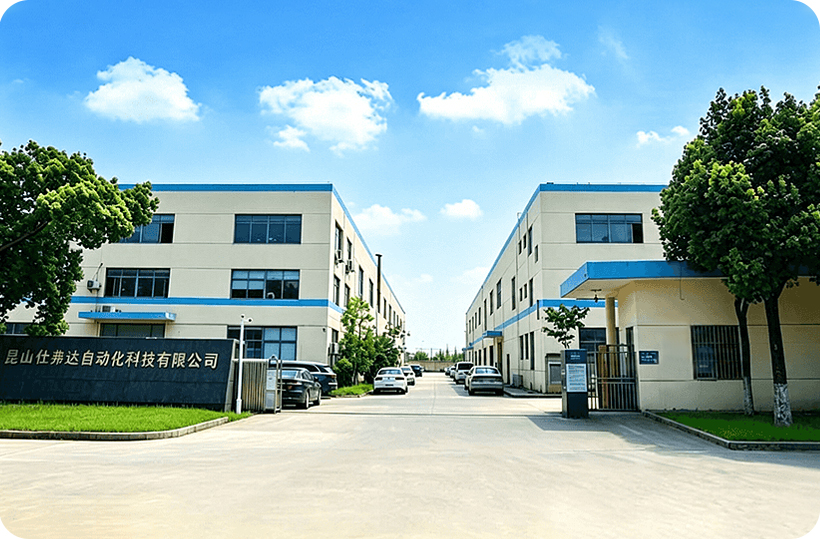
Kunshan Shifuda Automation Technology Co., Ltd. (Anhui Shifuda Automation Technology Co., Ltd.) is a modern enterprise integrating R&D, manufacturing, sales, and technical services. It is a relatively competitive equipment supplier in the domestic automation field.
1.Professional R&D, production, sales, ultrasonic plastic welding machines, non-standard automation, hot melt machines, testing equipment, automated assembly, tooling fixtures, molds and other machinery and equipment.
  • 0Years

    Establishment

  • 0

    Factory area

  • 0+

    Company employees

About Us
Company Advantages

Our Advantages

View More
  • 01.

    Advantages

    Kunshan Shifuda Automation Technology Co., Ltd.

    Comprehensive Technology

    Integrated R&D, manufacturing, sales & service; covers water treatment, logistics, medical, auto electronics.
    Contact Us
  • 02.

    Advantages

    Kunshan Shifuda Automation Technology Co., Ltd.

    Reliable Quality

    3,000㎡ self-owned factory, strict QC, high precision & stability.
    Contact Us
  • 03.

    Advantages

    Kunshan Shifuda Automation Technology Co., Ltd.

    High Cost Performance

    Premium quality, competitive pricing, efficient production & supply chain.
    Contact Us
  • 04.

    Advantages

    Kunshan Shifuda Automation Technology Co., Ltd.

    Worry-Free Service

    Custom design → installation → training → 24/7 support.
    Contact Us
Our Product

Product Showcase

View More
01 / 04
  • DTRO membrane welding machine

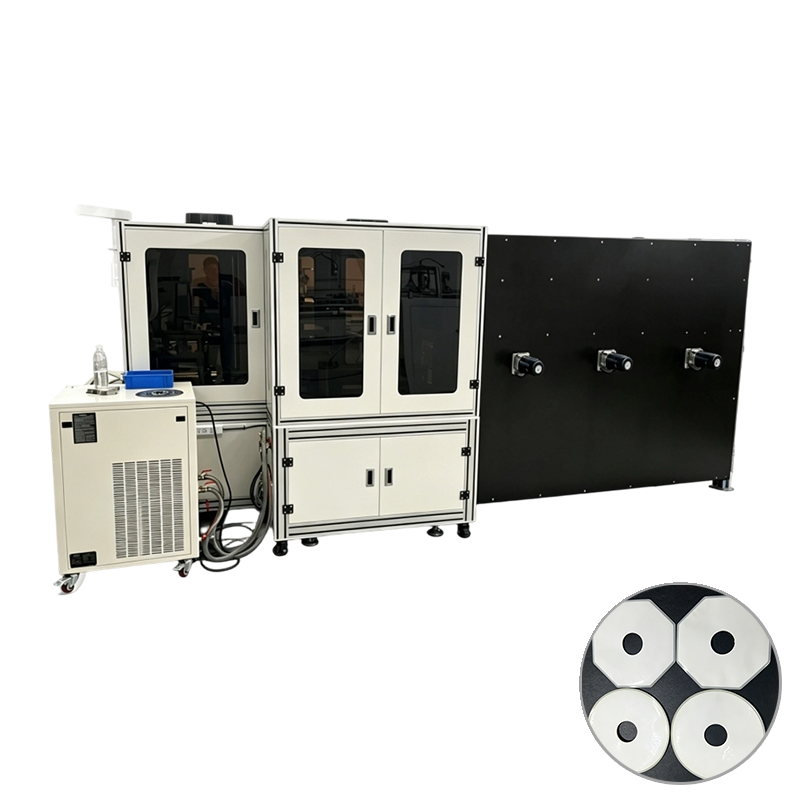
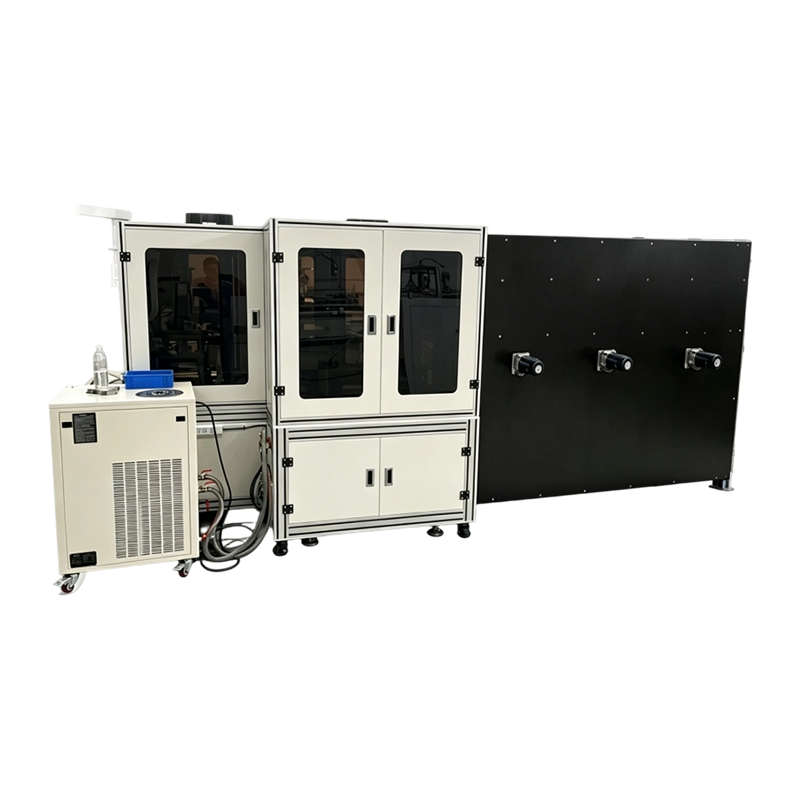
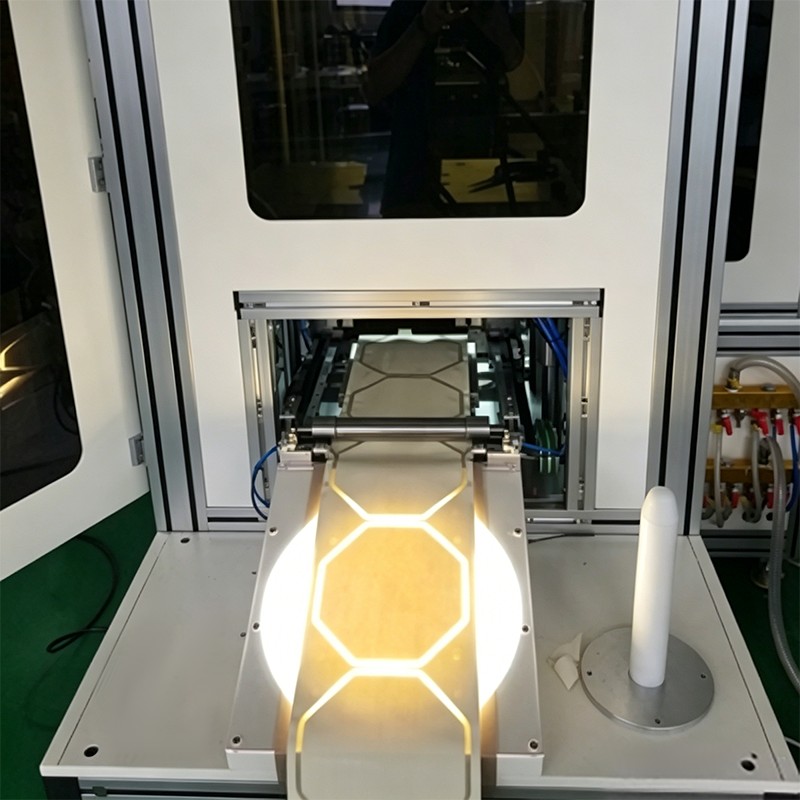
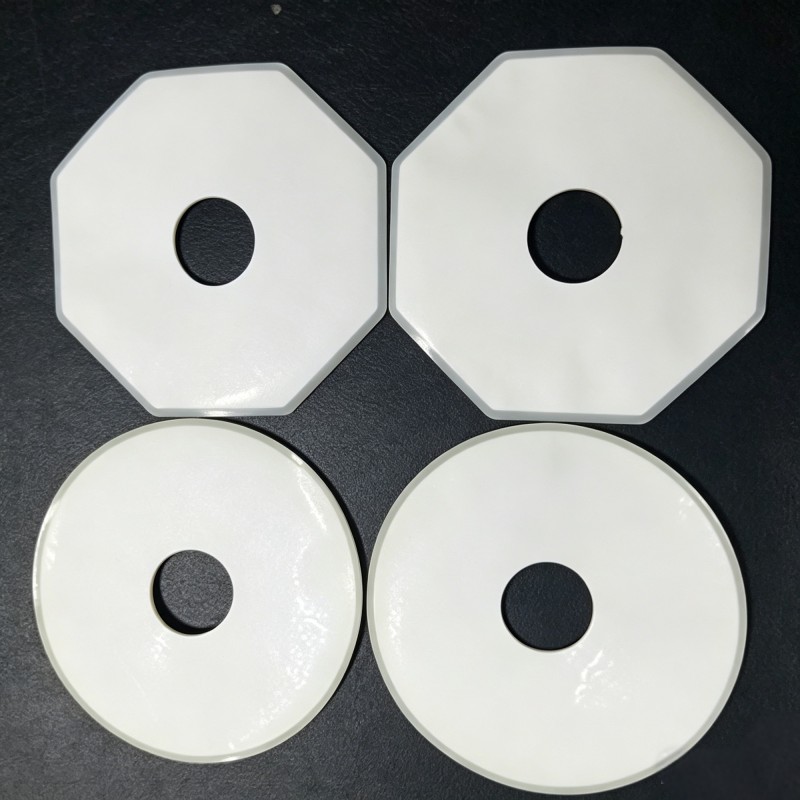
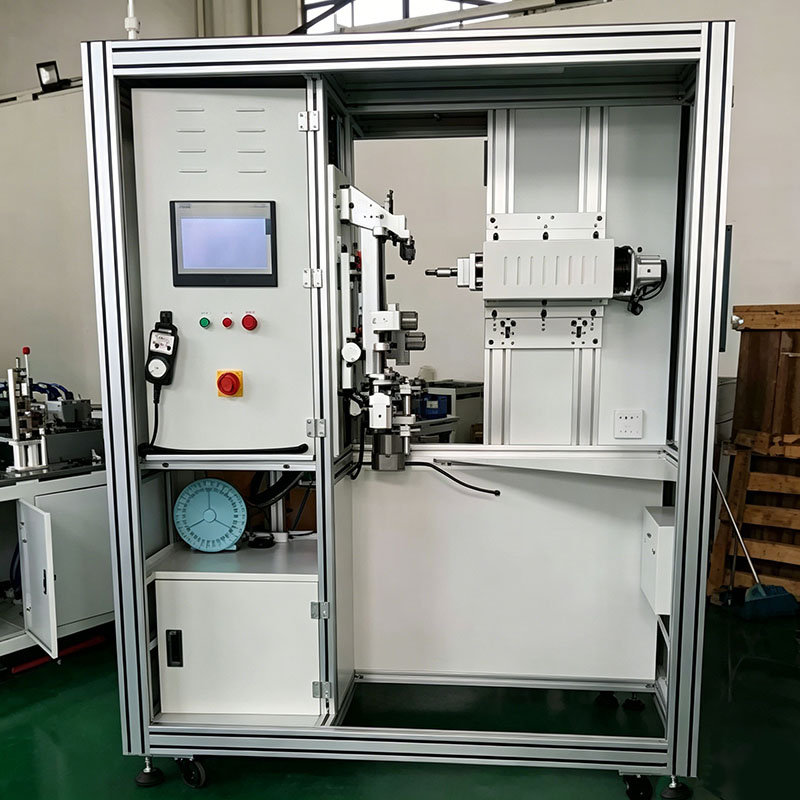
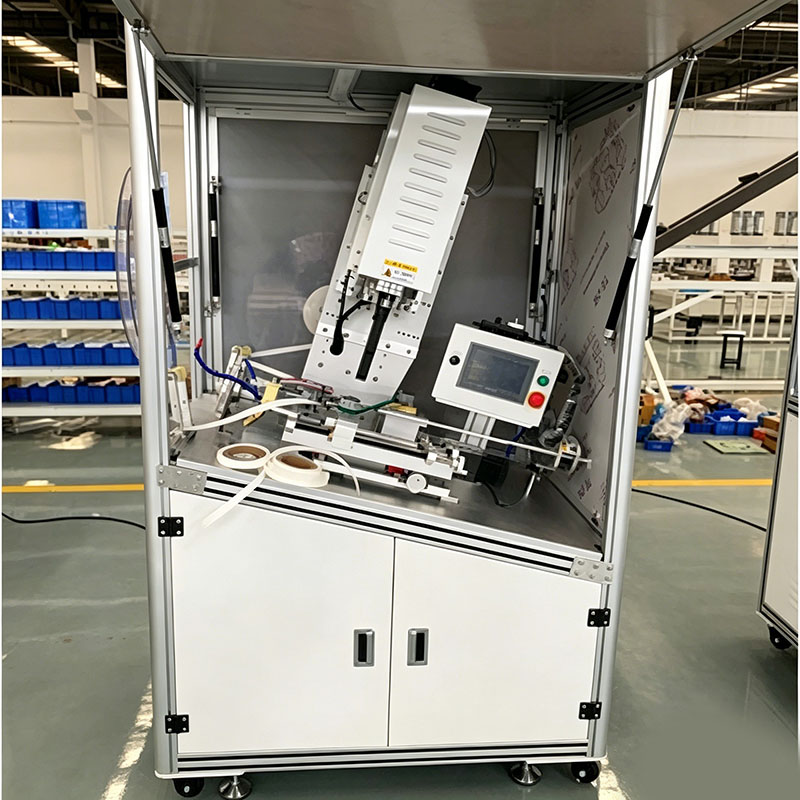
    Fully automatic DTRO membrane welding equipment, spot welding and correction system, disposable membrane welding system (temperature-controlled high-pressure water cooling system), laser cutting and punching mechanism, finished product inspection mechanism. Featuring an innovative zero-consumable design, the equipment supports rapid mold changes and is fully compatible with both circular and octagonal diaphragms. Capable of welding 2-4 pieces per minute, its highly automated system allows a single operator to manage up to 3 units simultaneously. Powered by a single-phase three-wire 220V 4.5kW supply, this robust 500kg machine delivers stable and continuous production.
    Explore Products
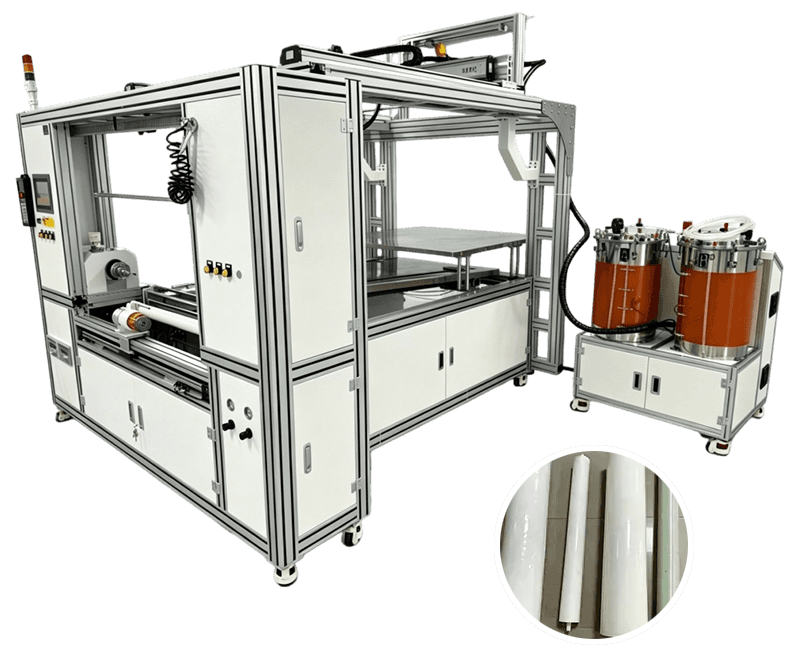
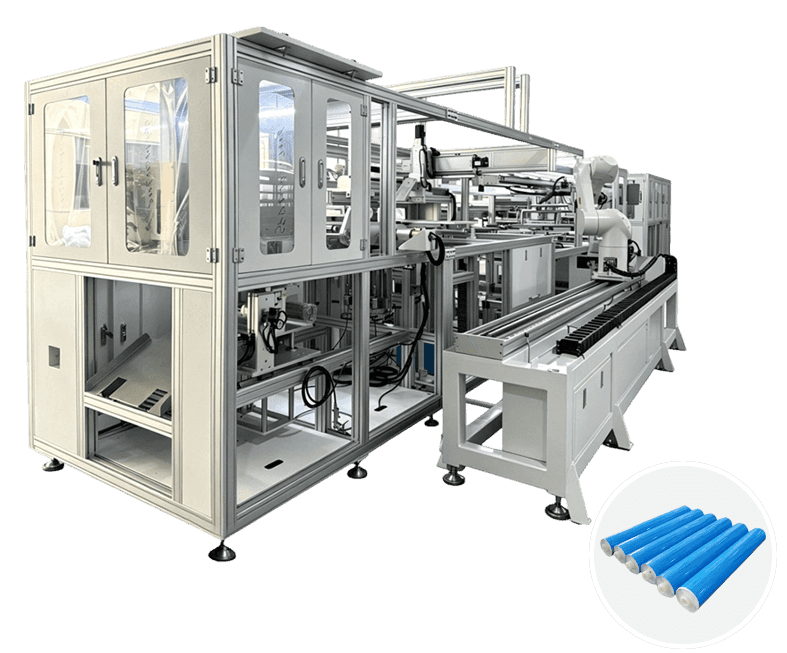
  • Tubular ultrafiltration membrane welding machine

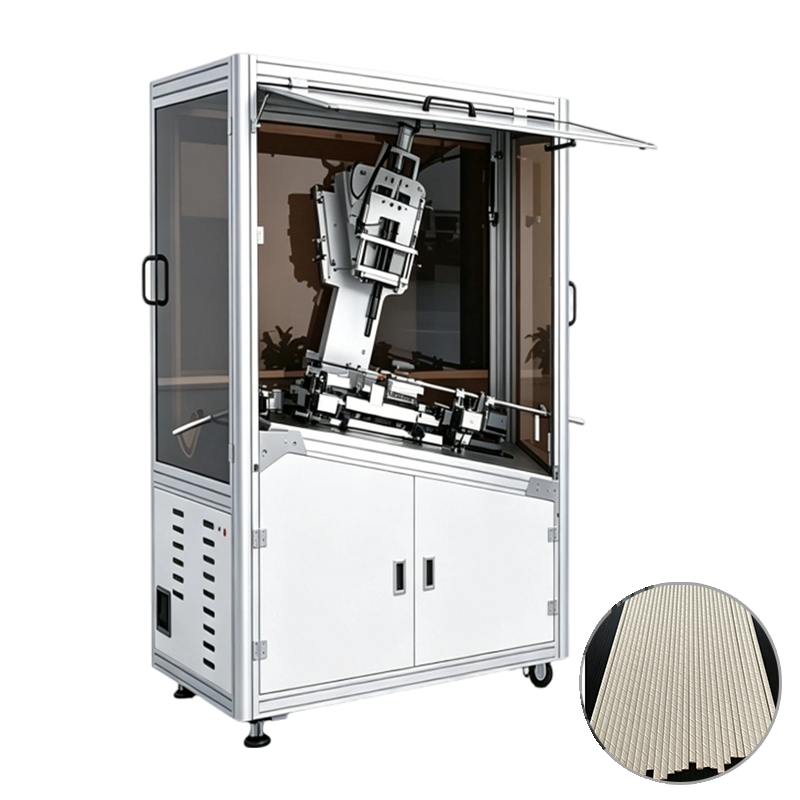
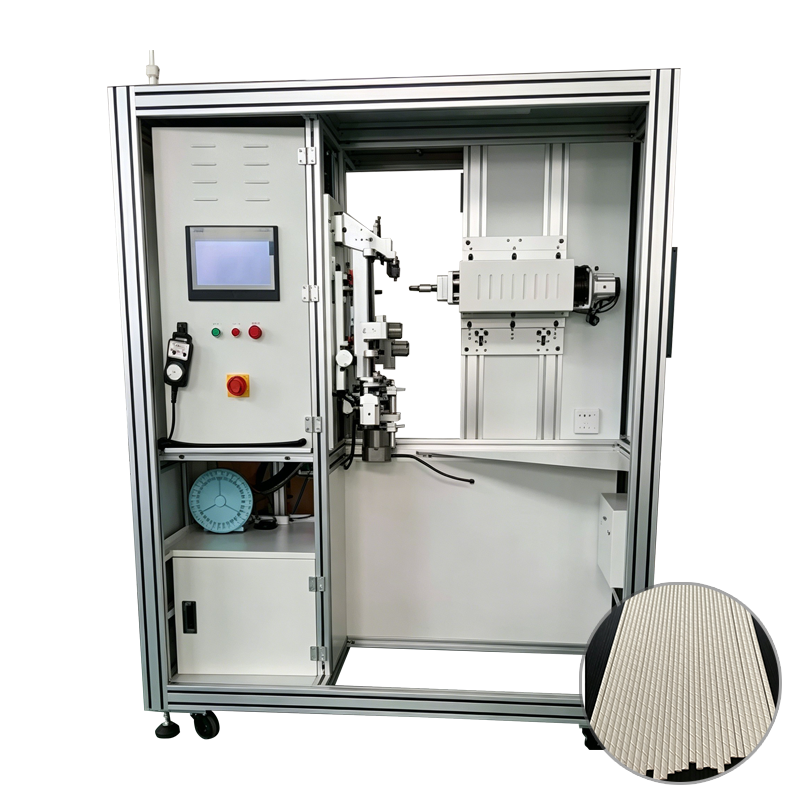
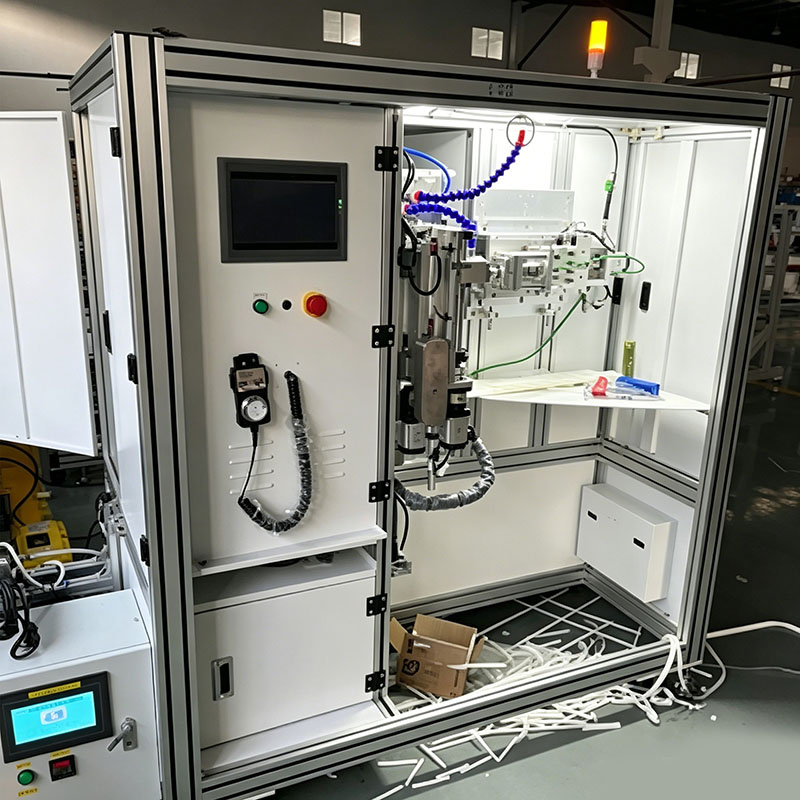
    The equipment features fully integrated capabilities including tube rolling, welding, and coating under full servo control. It supports advanced welding configurations such as double-layer superimposed welding and double-layer staggered welding, with the flexibility to process 1 to 3 layers of material. Engineered for high-versatility production, the system easily handles a wide range of welding specifications, accommodating diameters of Φ5, Φ6, Φ8, Φ10, and Φ12.7. Operating at a stable production speed of 2–4 meters/minute, this robust 300kg machine delivers precision and structural reliability for continuous industrial manufacturing.
    Explore Products
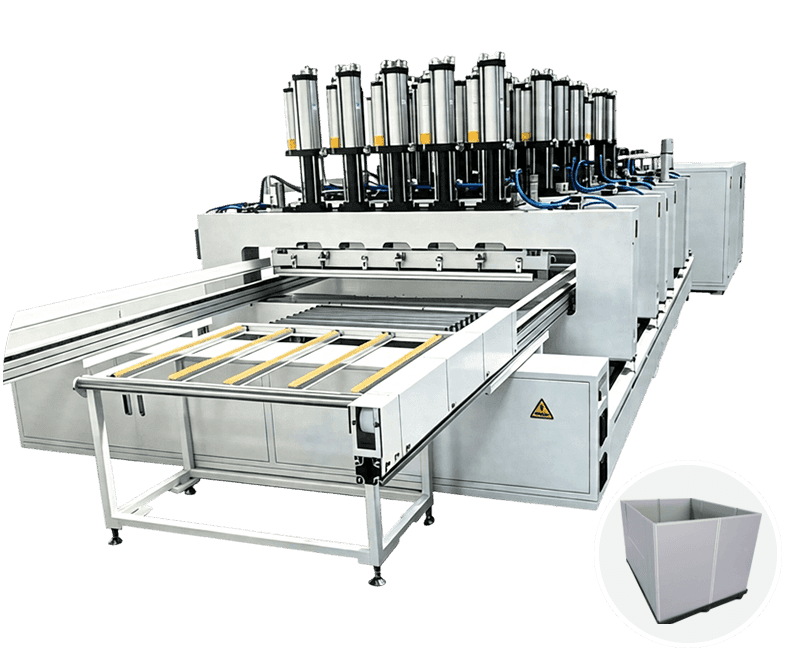
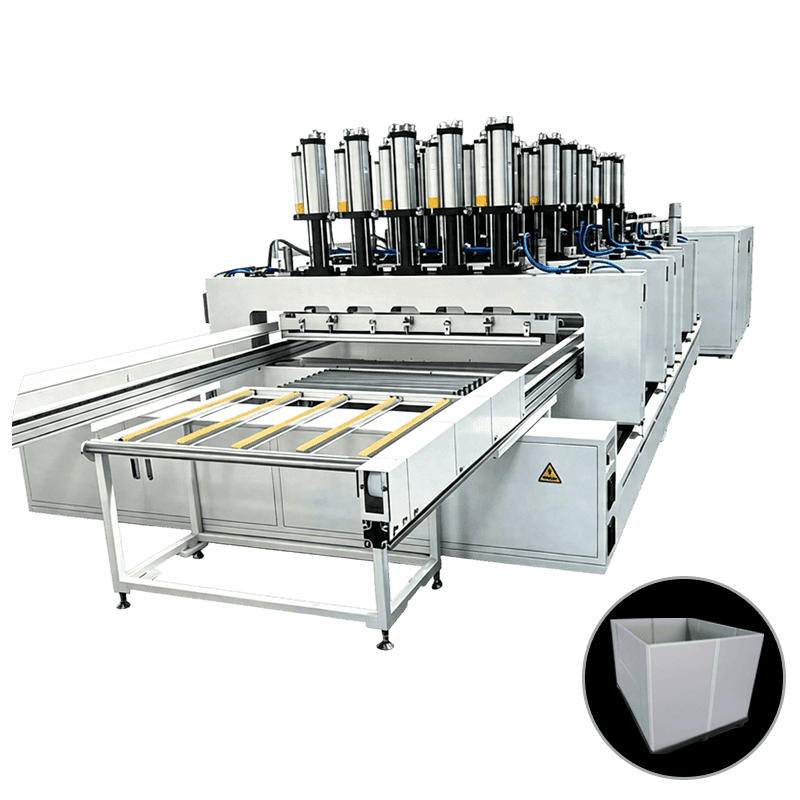
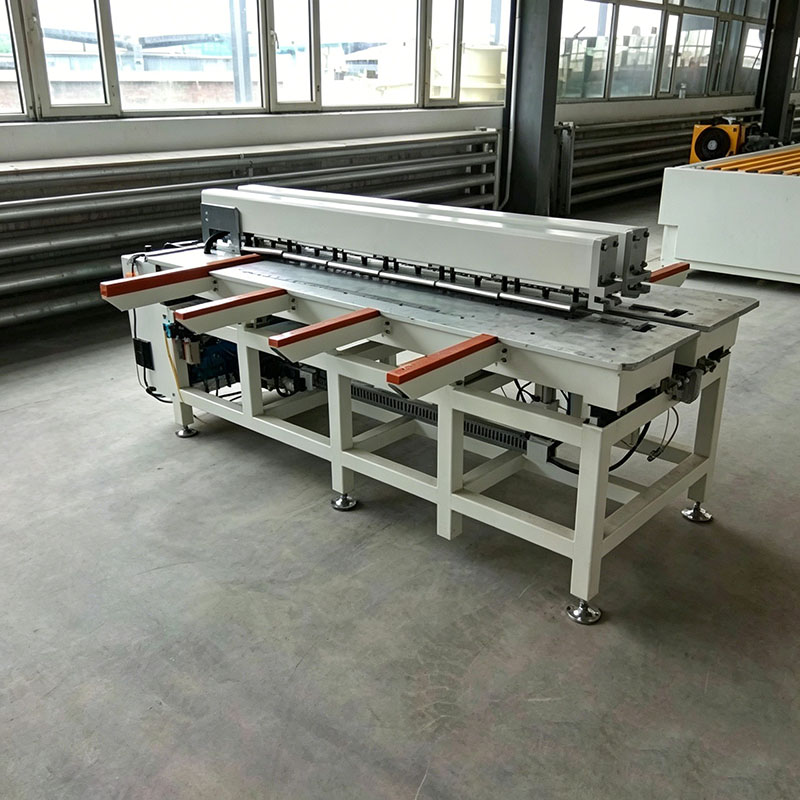
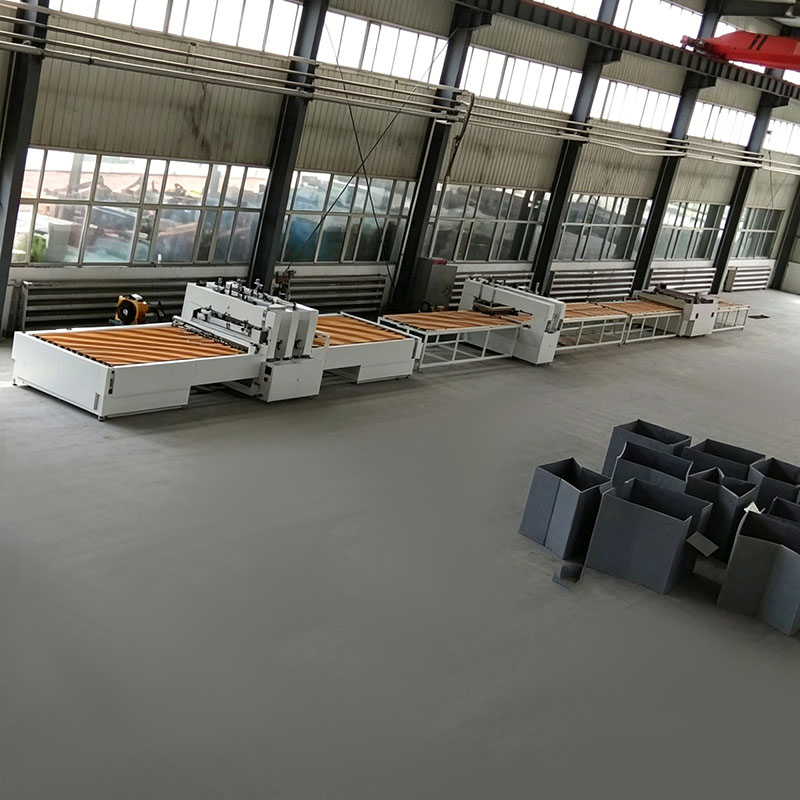
  • Foldable Pallet Box Production Equipment (Single Machine & Automatic Line)

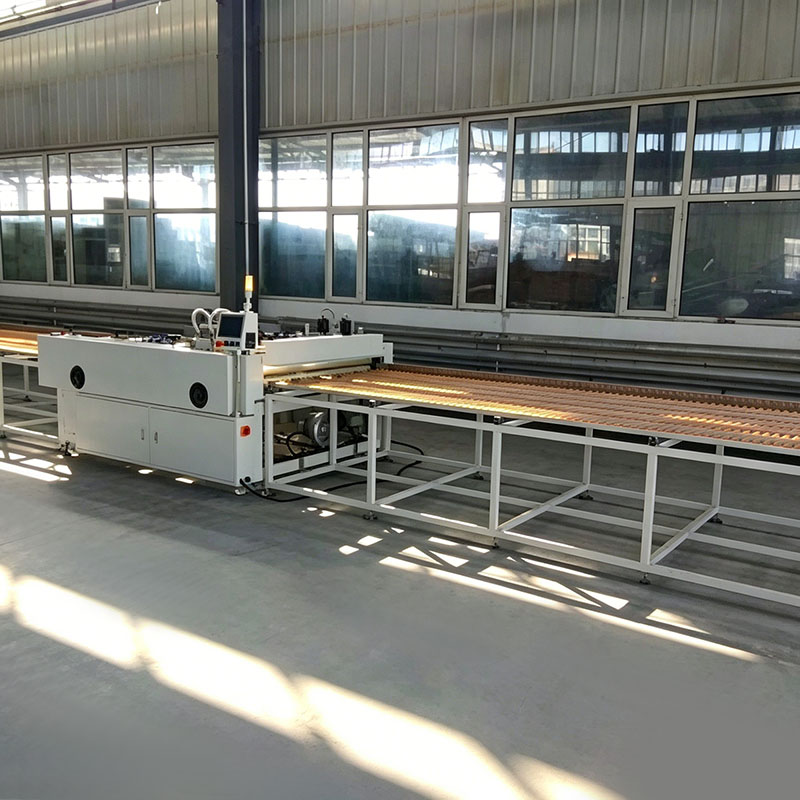
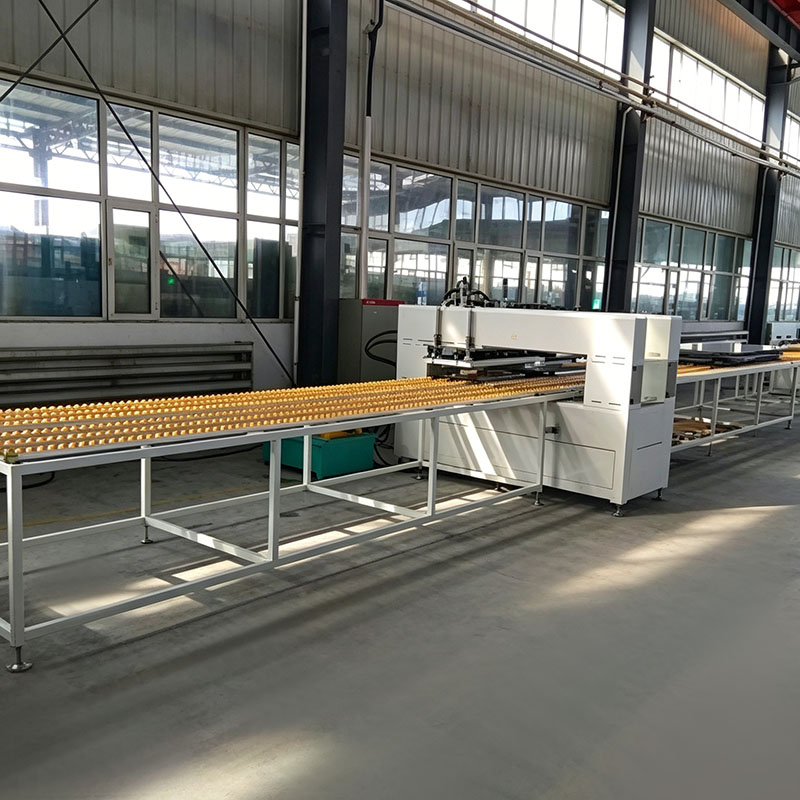
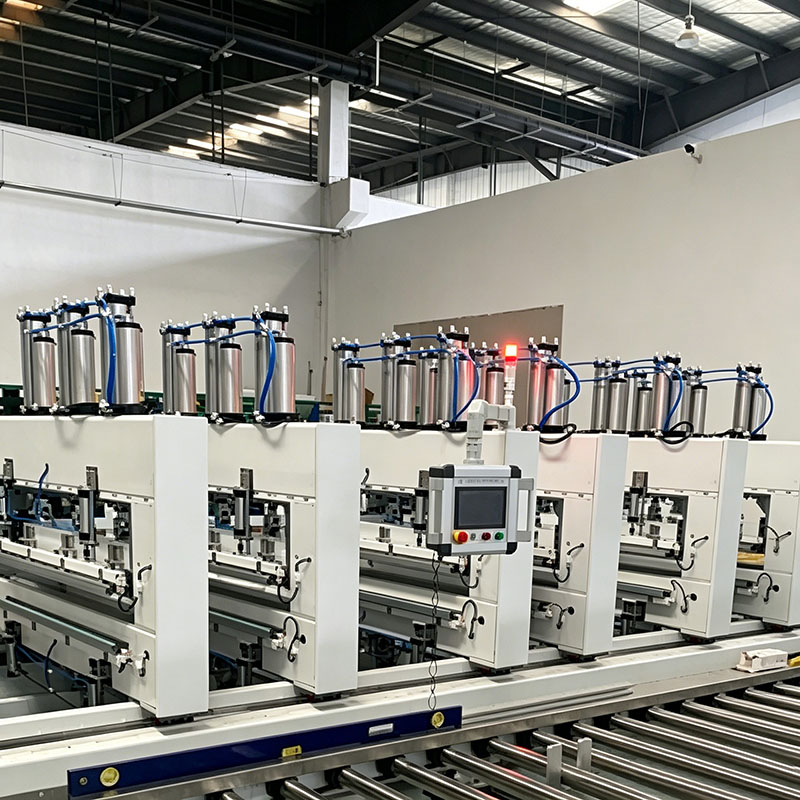
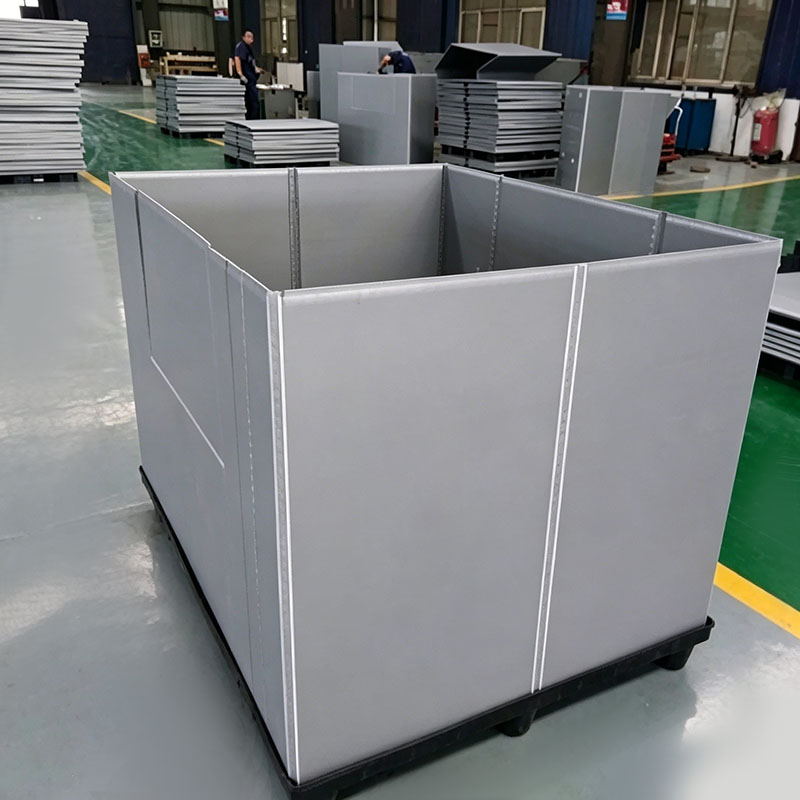
    Kunshan Shifuda provides two types of foldable pallet box equipment: separate single machines and full-automatic integrated production lines.Single machines include edge sealing machines, single/double window punching machines, 3-groove & 6-groove bending machines, sheet butt welding machines, cutters and printing machines for flexible small-batch production.Our full servo automatic production line integrates full processes from automatic feeding, edge sealing, window punching, bending to finished welding & stacking, with only one operator needed. All equipment fits 6–12mm hollow & honeycomb boards for automotive, 3C and logistics packaging factories. Customized return conveying lines are also available.
    Explore Products
Kunshan Shifuda Automation Technology Co., Ltd.

Applications

Kunshan Shifuda Automation Technology Co., Ltd. offers welding and assembly solutions for water treatment membranes (RO, DTRO, MBR, tubular ultrafiltration), logistics packaging (pallet box production lines), medical consumables (ostomy bags, hydrocolloid discs, guidewire tubes, drainage bag welders), automotive parts (bumper, armrest, center console, penetration welders), and electronics (ultrasonic welders, hot plate welders, hot riveting machines, inspection stations).
View More
Kunshan Shifuda Automation Technology Co., Ltd.
Project Services

Our Services

We provide professional product consultation, technical analysis, equipment selection guidance, on-site or remote assessment, and customized development based on customer specifications.
  • Kunshan Shifuda Automation Technology Co., Ltd.

    Professional product consultation and solution design

  • Kunshan Shifuda Automation Technology Co., Ltd.

    In-depth technical parameter analysis and expert guidance on equipment selection to ensure optimal performance and compatibility.

  • Kunshan Shifuda Automation Technology Co., Ltd.

    On-site or remote demand assessment

  • Kunshan Shifuda Automation Technology Co., Ltd.

    Customized development based on customer specifications

View More
What’s News

News & Exhibitions

View More
  • 2026-06-23
    Industry News

    Industrial RO film rolling machine

    Industrial reverse osmosis RO roll film production line Guide fabric cutting and welding machine. Floors 20-22. 2. Reverse osmosis membrane and grid cutting machine. (After cutting, manually fold in half). 3 film rolling machines. (Including film rolling, gluing, and tape wrapping) 4 cutting machines. (Cutting excess materials from the head and tail in one go) 5 detection machines. (Check the airtightness of the roll film) 6 winding machines. (Wrapped with multiple strands of glass wire) 7 drying racks. (After winding, the glue takes a longer time to solidify, and the drying rack can reduce this time) 8 packaging machines. A total of 8 devices are required to complete this task together, which can adapt to various specifications of film rolls (Stro, 804040404021)
  • 2026-06-23
    Industry News

    Application Fields of Industrial RO Film Rolling Machine

    The industrial RO (Reverse Osmosis) film rolling machine is a core equipment in the production of RO membranes, which are essential for water purification and separation processes. By precisely rolling RO membrane materials (such as polyamide composite membranes) with support layers and permeate channels into spiral-wound modules, this machine ensures the structural stability, filtration efficiency, and service life of RO elements. Its application fields are closely linked to industries that rely on RO technology for water treatment and separation, covering municipal, industrial, environmental protection, and other key sectors. The specific application fields are as follows:                 1. Municipal Water Supply and Domestic Water Purification In municipal water treatment, industrial RO film rolling machines play a vital role in the production of large-scale RO membrane modules used for drinking water purification. With the increasing demand for safe drinking water, many cities use RO technology to remove impurities, heavy metals (such as lead, arsenic, and mercury), harmful microorganisms, and dissolved salts from surface water or groundwater. The RO elements produced by this rolling machine have high filtration precision, ensuring that the purified water meets national drinking water standards. Additionally, it supports the production of RO membranes for household and commercial water purifiers, providing reliable core components for terminal water purification equipment in communities, shopping malls, and office buildings.  2. Industrial Water Treatment Industrial production processes have strict requirements for water quality, and the industrial RO film rolling machine is widely used in the production of RO membranes for industrial water treatment, including the following sub-fields: Power Industry: Thermal power plants and nuclear power plants require a large amount of high-purity water for boiler feedwater and cooling systems. RO membranes produced by this rolling machine effectively remove salts, silica, and other impurities from raw water, preventing scale formation in boilers and pipelines, reducing equipment corrosion, and improving energy efficiency. Electronic and Semiconductor Industry: The manufacturing of semiconductors, integrated circuits, and electronic components requires ultra-pure water with extremely low ion content. The high-precision RO membrane modules rolled by this equipment are the core of ultra-pure water treatment systems, ensuring that the water quality meets the strict standards of microelectronic processing. Metallurgical and Mining Industry: In processes such as mineral processing, smelting, and metal plating, a large amount of wastewater containing heavy metals and high concentrations of salts is generated. RO membranes produced by this machine are used for wastewater recycling and resource recovery, realizing the reuse of water resources and reducing environmental pollution. Chemical and Pharmaceutical Industry: Chemical production and pharmaceutical manufacturing require purified water for raw material preparation, product purification, and equipment cleaning. The RO membrane modules produced by this rolling machine have stable performance, ensuring the consistency of water quality and meeting the GMP and other industry standards.  3. Desalination of Seawater and Brackish Water In coastal areas and arid regions with scarce fresh water resources, seawater and brackish water desalination is an important way to solve the water supply problem. The industrial RO film rolling machine is the key equipment for the production of large-scale seawater desalination RO membrane modules. The spiral-wound RO elements produced by it have strong anti-pollution performance and high desalination rate, which can effectively reduce the salt content of seawater (from about 35,000 mg/L to less than 500 mg/L) to meet the needs of domestic and industrial water. At present, this technology has been widely applied in coastal cities, islands, and offshore oil platforms around the world.  4. Wastewater Treatment and Resource Recycling With the strengthening of environmental protection policies, industrial wastewater and domestic sewage treatment have higher requirements for resource recycling. The industrial RO film rolling machine provides core support for this field by producing RO membranes for wastewater advanced treatment. For example, in printing and dyeing wastewater treatment, RO membranes can concentrate and recover dyes and auxiliaries, while the treated water can be reused in production; in food and beverage wastewater treatment, RO technology can recover organic matter and water resources, reducing the discharge of pollutants. In addition, in the treatment of landfill leachate, RO membranes can effectively remove high-concentration organic matter, heavy metals, and ammonia nitrogen, realizing the harmless treatment of leachate.  5. Food and Beverage Industry In the food and beverage industry, the industrial RO film rolling machine is used to produce RO membranes for raw material processing, concentration, and purification. For example, in fruit juice processing, RO technology can concentrate fruit juice at low temperature, retaining the nutrients and flavor substances of the fruit; in dairy production, RO membranes can remove water from milk to produce condensed milk, or purify whey to recover lactose and protein. In addition, it is also used in the purification of brewing water and the concentration of sugar liquid, improving the product quality and production efficiency.  6. Pharmaceutical and Biomedical Industry The pharmaceutical and biomedical industry has extremely strict requirements for water quality, and the industrial RO film rolling machine is an important equipment for the production of RO membranes for pharmaceutical water treatment. It is used in the preparation of purified water, water for injection, and other pharmaceutical-grade water, removing microorganisms, pyrogens, and soluble impurities from raw water to meet the strict standards of the pharmaceutical industry. In addition, in the separation and purification of biological products (such as antibiotics, vaccines, and protein), RO membranes produced by this machine are used for concentration and desalination, ensuring the purity and activity of biological products.   7. Agricultural Irrigation in Arid and Saline-Alkali Areas In arid and semi-arid areas with high soil salinity, the use of brackish water for irrigation will lead to soil salinization and affect crop growth. The industrial RO film rolling machine produces RO membrane modules for agricultural brackish water desalination systems, reducing the salt content of brackish water to meet the water quality requirements of crop irrigation. This technology helps to expand the scope of available water resources for agriculture, improve crop yield and quality, and promote the sustainable development of agriculture in saline-alkali areas. In summary, the industrial RO film rolling machine is a key equipment supporting the development of the RO water treatment industry. Its application fields cover multiple industries related to water resources, environmental protection, and high-end manufacturing, and it plays an irreplaceable role in improving water quality, saving water resources, and promoting circular economy.
  • 2026-06-23
    Industry News

    Features of RO Membrane Production Line Equipment

    As a core separation component in the water treatment field, RO (Reverse Osmosis) membranes have extremely high requirements for process stability, precision control, and consistency during the production process. The corresponding RO membrane production line equipment integrates multi-disciplinary technological advantages and exhibits the following prominent features: 1. High-Precision Process Control to Ensure Core Performance of Membrane Elements The core indicators of RO membranes, such as rejection rate and water flux, directly depend on precise control during the production process. The production line equipment achieves micron-level or even nanometer-level precision management in key processes. In the membrane sheet coating process, a precision coating system driven by a servo motor is adopted, which can control the thickness of the polyamide active layer coating within the range of 0.1-0.3 μm, with a coating uniformity error of less than 5%, effectively avoiding local rejection failure caused by uneven coating. In the winding process, a laser positioning and torque closed-loop control system ensures that the alignment accuracy error of the membrane sheet, flow guide net, and product water net is less than 0.2 mm, and the fluctuation of winding density is controlled within ±2 kg/m³, guaranteeing the water flux consistency of each membrane element. Meanwhile, the equipment is equipped with real-time monitoring devices such as online thickness gauges and tension sensors, which can collect and feedback key parameters in seconds, and timely control process deviations within the allowable range. 2. Full-Process Automated Integration to Improve Production Efficiency and Stability Modern RO membrane production lines generally adopt a full-process automated mode of "one-key start-up, full-process automatic control, and automatic material collection", which greatly reduces errors and efficiency losses caused by manual intervention. From base membrane unwinding, active layer preparation, hot-press lamination, to membrane element winding, head casting, and curing forming, all processes are seamlessly connected through a PLC control system, with an equipment response delay of less than 100 ms. A single production line can complete the production of 30-50 pieces of 8040-type membrane elements per hour, which is more than 60% more efficient than semi-automated production lines. In terms of automation details, an intelligent feeding robot is equipped to realize automatic grabbing and positioning of base membrane rolls, avoiding base membrane damage caused by manual handling. The curing kiln adopts a zoned temperature control and automatic conveying system, which automatically matches the curing temperature curve according to the specifications of the membrane element (for example, the curing temperature of polyamide membranes is accurately controlled at 60-80 °C), and the curing time error is less than 2 minutes, ensuring that the chemical stability of the membrane element meets the standard. 3. Modular Design to Balance Flexible Production and Maintenance Convenience In response to the production needs of RO membranes with different specifications (such as 4040, 8040, 8080 types) and different applications (such as seawater desalination, municipal sewage reuse, industrial pure water preparation), the production line equipment adopts a modular combination design. Modules for core processes (such as coating, winding, cutting) can be quickly disassembled and replaced, with the replacement time controlled within 2 hours, realizing flexible production of "one line for multiple products". For example, when replacing the membrane sheet cutting module, there is no need to re-commission the entire production line; it is only necessary to call the cutting parameters corresponding to the specifications through the equipment touch screen. At the same time, the modular design makes equipment operation and maintenance more convenient. Each functional module is equipped with an independent fault diagnosis interface and status indicator light, allowing maintenance personnel to quickly locate the faulty module for replacement or maintenance, thereby significantly reducing equipment downtime. 4. Strict Environmental Adaptability to Ensure Clean and Stable Production Process RO membrane production has extremely high requirements for environmental cleanliness, temperature, humidity, etc. The production line equipment has complete environmental adaptation and control capabilities. The entire equipment adopts a fully enclosed frame structure, which is seamlessly connected with the air purification system of the clean workshop, ensuring that the air cleanliness in the membrane sheet preparation and winding area reaches the Class 100 standard (the number of particles larger than 0.5 μm in each cubic foot of air is less than 100). In the coating workshop, the equipment integrates a constant temperature and humidity control system, which stabilizes the ambient temperature at 20-25 °C and the relative humidity at 45%-60%, avoiding abnormal coating curing or membrane sheet deformation caused by temperature and humidity fluctuations. In addition, the components of the equipment that come into contact with the membrane sheet are made of food-grade 316L stainless steel or polytetrafluoroethylene, with a surface roughness Ra ≤ 0.8 μm, which effectively prevents impurity residue and membrane sheet contamination, and ensures the hygienic safety of the membrane element. 5. Energy Consumption Optimization and Intelligent Monitoring to Reduce Comprehensive Production Costs In terms of energy-saving design, the production line equipment adopts energy-saving technologies such as variable frequency motors and waste heat recovery systems. For example, the hot air circulation system in the coating process can recover and utilize the waste heat emitted by the curing kiln, reducing the overall energy consumption by 15%-20%. The servo motor of the winding equipment automatically switches to the low-speed standby mode when it is no-load, reducing ineffective energy consumption. In terms of intelligent monitoring and management, the equipment is equipped with an industrial Internet platform, which can collect real-time data such as energy consumption, production capacity, and process parameters during the production process, and perform data analysis and trend prediction through the cloud system. Managers can remotely check the equipment operation status through mobile phones or computer terminals. When parameter abnormalities occur (such as fluctuations in coating speed, excessive temperature), the system will automatically send early warning information and trigger emergency protection mechanisms to avoid the production of batch unqualified products. At the same time, historical data can be traced to the production batch of a single membrane element, providing data support for quality traceability and process optimization. 6. High Reliability and Long-Life Design to Adapt to Large-Scale Continuous Production RO membrane production is mostly a 24-hour continuous operation mode, and the reliability of the equipment directly determines the achievement rate of the production plan. Key components of the production line are all selected from internationally renowned brands, such as PLC controllers from Siemens (Germany), servo motors from Yaskawa (Japan), and weighing sensors from Mettler Toledo (Switzerland). The mean time between failures (MTBF) of core components exceeds 20,000 hours. In addition, the equipment adopts a wear-resistant and corrosion-resistant structural design. For example, the transmission parts are treated with high-frequency quenching, and the external casing is coated with anti-corrosion powder, which can adapt to the long-term continuous operation environment of the workshop and reduce the frequency of component replacement. The equipment also has a self-diagnosis and fault-tolerance function. When a minor fault occurs, it can automatically switch to the backup operation mode to ensure the continuity of the production process, which is particularly suitable for large-scale RO membrane production scenarios with high demand for production capacity.
  • 2026-06-23
    Industry News

    Core Advantages of RO Film Rolling Machine

    As a key equipment in the reverse osmosis (RO) membrane production process, the performance of the RO film rolling machine directly determines the quality stability and production efficiency of membrane modules. The following elaborates on its core advantages from five dimensions: production efficiency, process precision, operation experience, adaptability, and cost control, providing references for equipment selection and efficiency improvement of manufacturing enterprises. 1. Efficient Rolling, Significantly Enhancing Production Capacity Equipped with a high-speed and stable rolling system, the equipment adopts a servo motor drive and a precision transmission structure. Its rolling speed is increased by more than 30% compared with traditional equipment. A single unit can complete the rolling operation of hundreds of RO membrane modules per day, effectively breaking through the production capacity bottleneck of traditional manual or semi-automatic equipment. At the same time, the equipment supports 24/7 continuous operation, and is equipped with an intelligent overload protection and automatic heat dissipation system. It can still maintain stable performance under high-load working conditions, significantly reducing production delays caused by equipment shutdowns and helping enterprises achieve large-scale production. 2. Precision Pressure Control, Ensuring Core Performance of Membrane Modules The rolling pressure and uniformity of RO membranes are key factors affecting the rejection rate and water production efficiency of membrane modules. This equipment is equipped with high-precision pressure sensors and a closed-loop control system, with a rolling pressure control accuracy of up to ±0.01MPa. It can accurately match the rolling pressure parameters according to the process requirements of RO membranes of different specifications (such as 4040, 8040, etc.), avoiding problems such as membrane sheet wrinkling and poor encapsulation caused by uneven pressure. In addition, the rolling concentricity error of the equipment is less than 0.1mm, ensuring that the inner wall of the membrane module fits tightly, reducing dead water zones, and improving the filtration performance and service life of the membrane module from the source. 3. Intelligent Operation, Reducing Labor and Skill Thresholds The equipment adopts a human-machine interactive touch screen and has a built-in standardized process parameter database, with preset rolling programs for dozens of common RO membrane specifications. Operators only need to select the corresponding model to start the fully automatic rolling process, and can quickly take up their posts without professional skill training. At the same time, the equipment has an intelligent fault diagnosis function. When problems such as material shortage and parameter abnormality occur, it will automatically shut down and locate the fault point through sound and light alarms and screen prompts, greatly reducing the cost of manual inspection and fault handling time. In addition, the equipment supports real-time recording and export of production data, facilitating enterprises to realize digital management and control of the production process. 4. Flexible Adaptability, Meeting Diverse Production Needs In response to the differentiated needs for RO membrane modules in different industries (such as municipal water supply, industrial wastewater treatment, seawater desalination), the equipment has high adjustability. The rolling length can be freely set within the range of 100mm-2000mm, and the applicable range of membrane sheet width covers 50mm-1000mm. At the same time, it supports the rolling operation of different materials (such as polyamide composite membranes, cellulose acetate membranes). The feeding mechanism of the equipment adopts a modular design, and it only takes 5-10 minutes to replace fixtures of different specifications.
  • 2026-06-23
    Company News

    Reverse Osmosis RO Membrane Production Equipment

    Reverse Osmosis (RO) membrane production equipment is a specialized system designed to manufacture high-quality RO membranes for use in various industrial and commercial water treatment applications. These membranes are known for their ability to efficiently remove impurities, including dissolved salts, organics, bacteria, and particles, from water through the process of reverse osmosis. Key Features of Industrial RO Membrane Production Equipment High-Precision Manufacturing: Industrial RO membrane production equipment incorporates advanced precision engineering to ensure that each membrane is manufactured to exact specifications. This includes precise control over membrane thickness, pore size, and material composition. Automated Processes: Modern RO membrane production lines are highly automated, reducing manual intervention and improving consistency in product quality. Automation also enhances production efficiency, allowing for faster turnaround times and increased output. Material Flexibility: The equipment is capable of handling a wide range of materials for membrane production, including but not limited to polyamide composite membranes and other synthetic polymers. This flexibility allows for the production of membranes tailored to specific application requirements. Quality Control: Integrated quality control systems are employed throughout the production process to ensure that each membrane meets strict quality standards. This includes testing for permeate flux, rejection rates, and durability under various operating conditions. Scalability: Industrial RO membrane production equipment can be scaled up or down to meet varying production demands. This scalability enables manufacturers to respond quickly to changes in market demand or customer requirements. Environmentally Friendly: The production process often incorporates eco-friendly practices, such as the use of recyclable materials and the minimization of waste generation. Additionally, the RO membranes themselves contribute to environmental sustainability by reducing the need for chemical treatment and improving water quality.
  • 2026-06-23
    Company News

    Industrial RO Roll Film Machine: Versatile Applications and Key Characteristics

    Industrial RO Roll Film Machine: Versatile Applications and Key Characteristics In the vast landscape of industrial processing equipment, the Reverse Osmosis (RO) Roll Film Machine stands out as a pivotal technology for a multitude of industries. This advanced machinery is designed to efficiently produce high-quality roll films for a range of applications, leveraging the principles of reverse osmosis to purify and concentrate liquids, ultimately transforming them into valuable products. Here, we delve into the diverse applications and salient features of industrial RO roll film machines. Diverse Applications: Water Treatment Industry: At the forefront of its applications lies the water treatment sector. Industrial RO roll film machines are employed to purify water, removing impurities such as dissolved salts, minerals, bacteria, and viruses. This process is crucial in producing potable water, as well as in the production of ultrapure water for pharmaceutical, electronics, and semiconductor industries. Food and Beverage Industry: The food and beverage industry relies heavily on RO technology for the production of various products. The roll film machines are used to concentrate fruit juices, remove excess water from dairy products, and purify water used in the manufacturing process. This ensures the safety and quality of the final products, meeting stringent hygiene standards. Chemical Processing: In the chemical industry, RO roll film machines are instrumental in the separation and purification of chemicals. They are used to recover valuable solvents, remove impurities from chemical solutions, and produce high-purity chemicals for various industrial applications. Pharmaceuticals: The pharmaceutical industry demands the highest levels of purity in its products. RO roll film machines are employed to purify water used in drug manufacturing, ensuring that the final medications are free from contaminants that could compromise patient safety. Environmental Protection: In environmental protection efforts, RO technology is used to treat wastewater, removing harmful pollutants before discharging it back into the environment or reusing it. RO roll film machines play a crucial role in this process, enabling the recovery of clean water resources.
  • 2026-06-23
    Company News

    Industrial RO Membrane Rolling Machine: Features and Innovations

    Industrial RO Membrane Rolling Machine: Features and Innovations In the rapidly evolving water treatment industry, the Industrial Reverse Osmosis (RO) Membrane Rolling Machine has emerged as a pivotal technology, driving efficiency and precision to new heights. This sophisticated machinery integrates advanced automation, precision control, and innovative design features to streamline the production of RO membranes, a critical component in water purification systems. Precision Automation for Enhanced Productivity One of the defining features of the Industrial RO Membrane Rolling Machine is its precision automation. The machine utilizes advanced control systems to ensure consistent and reliable membrane production. For instance, the use of magnetic powder brakes maintains the membrane material in a constant tension state during the rolling process, optimizing roll quality and reducing waste. Additionally, automatic center tube loading, positioning, and error detection mechanisms significantly reduce manual intervention, enhancing productivity and minimizing human error. Innovative Welding and Cutting Technologies The machine incorporates state-of-the-art welding and cutting technologies to further elevate its performance. The ultrasonic welding system, for instance, offers rapid welding speeds coupled with high strength, excellent sealing, and environmental friendliness. This system is capable of identifying and avoiding water collection holes on the center tube, ensuring a flawless weld every time. Furthermore, the automatic cutting systems for both the membrane and adhesive tapes ensure precise and efficient material handling, reducing the need for manual trimming and post-processing. Advanced Coating and Dispensing Systems To ensure optimal performance and durability of the RO membranes, the Industrial RO Membrane Rolling Machine is equipped with a fully automated point-glue dispensing system. This system leverages an XYZ three-axis motion platform equipped with a dual-liquid automatic mixing system, allowing for precise and consistent application of adhesives. This ensures that each membrane is coated uniformly, maximizing its efficiency and longevity. Comprehensive Quality Control Quality assurance is paramount in the production of RO membranes, and the Industrial RO Membrane Rolling Machine excels in this regard. The machine incorporates multiple quality control features, including automatic detection of material positioning and loading errors, as well as sensors to monitor material feed rates and tension levels. Moreover, the final product inspection and automatic unloading system ensure that only high-quality membranes are packaged and shipped, maintaining the reputation of the manufacturer.
  • 2026-06-23
    Company News

    Introduction to the functions of tubular membrane welding equipment

    1. Production capacity of automated tubular membrane welding equipment: Automatic feeding, winding, welding, coating, and fixed length cutting are integrated. The production capacity of a single equipment in one minute is 0.7-3 meters, ensuring the beauty and firmness of welding. 2. Equipment power: The power of the single head welding equipment is 2200W, the power of the double head welding equipment is 4400W, and the power of the automatic welding operation of the equipment is 3500W. 3. Welding method: There are two types of welding for tubular membranes: Type 1: Overlap welding, capable of welding 2-3 layers of non-woven fabric. (One thick and two thin) Type 2: Cross welding, capable of welding 2-3 layers of non-woven fabric. (One thick and two thin) 4. The equipment can be equipped with coating equipment and cutting; One employee can operate four devices. Our company can support the entire production process, including automatic welding and coating, watering, drying, assembly, and gluing. Waiting for a series of production process flows. The entire machine adopts the Emerson welding system from the United States, which includes automatic feeding, material rough surface detection, material roll shortage compensation, and material tension compensation functions. It completely achieves automatic material replacement without stopping the machine. The equipment can weld products with diameters of 6mm, 8mm, 10mm, and 12.5mm, and the welding speed can reach 3-4 meters per minute. The finished product is cut in a follow-up and non-stop manner, with integrated detection, welding, coating, and cutting
  • 2026-06-23
    Company News

    Introduction to the equipment functions of industrial RO film rolling machine

    Center tube dispensing mode Guiding and dispensing glue mode Automatic pre winding of guide cloth Setting of pre roll angle for each layer of membrane Film winding and shaking function Adjustment of tape tension Tightening roller resistance adjustment Top layer mobile feeding platform Lowering and lowering of the feeding platform Laser assisted positioning adhesive line Mechanical arm automatic dispensing Barrel heating Glue shortage alarm Capacity calculation Visual adhesive line editing Recipe parameter saving and calling function Human machine interaction operation interface