


 English
 عربى
عربى


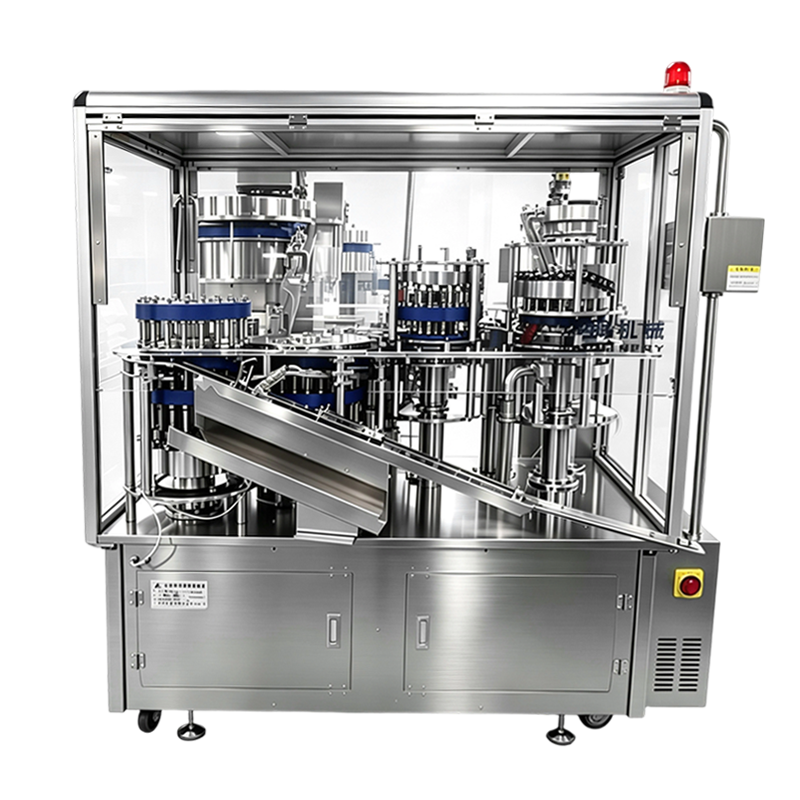
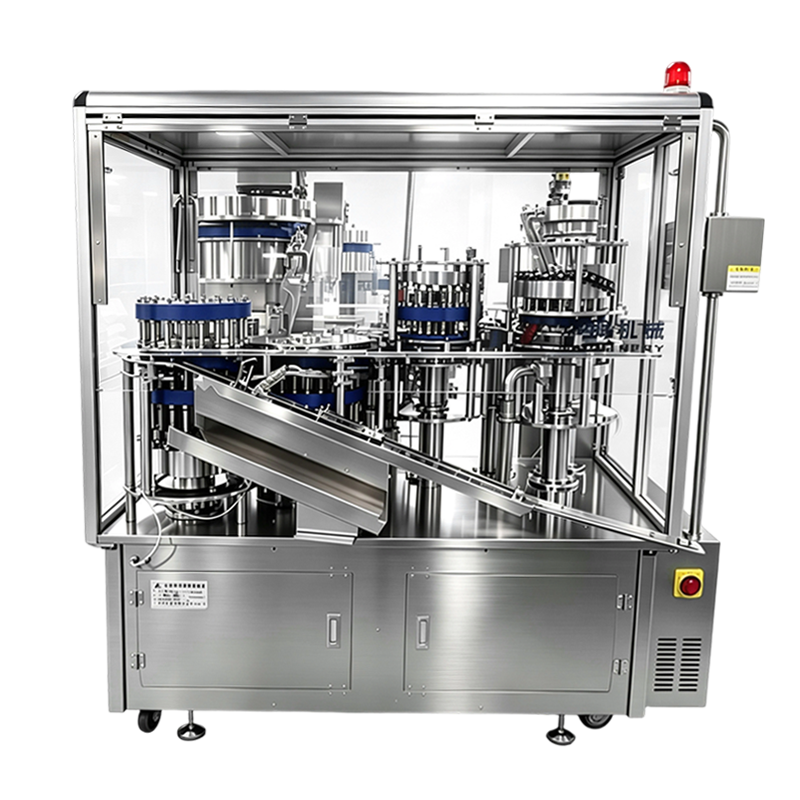
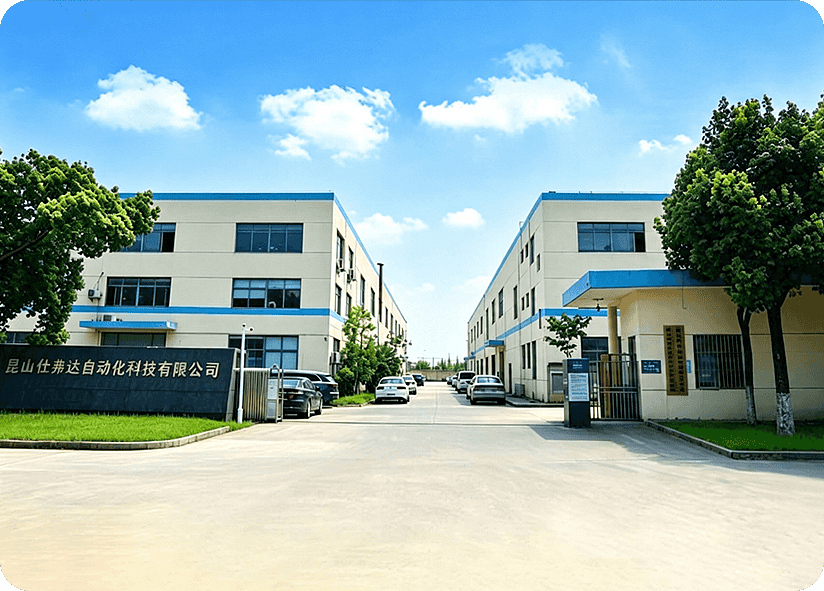
As China Drip Chamber Assembly Equipment Manufacturers and Drip Chamber Assembly Equipment Suppliers, Kunshan Shifuda Automation Technology Co., Ltd. (Anhui Shifuda Automation Technology Co., Ltd.) is a modern enterprise integrating R&D, manufacturing, sales, and technical services. It is a relatively competitive equipment supplier in the domestic automation field.
1.Professional R&D, production, sales, ultrasonic plastic welding machines, non-standard automation, hot melt machines, testing equipment, automated assembly, tooling fixtures, molds and other machinery and equipment.
2.Our company mainly targets the plastic welding automation industry. The processes are as follows (ultrasonic welding process, hot melt process, hot plate process, hot riveting process, high frequency welding process, high frequency welding process, eddy current process, etc.)
3.Our company also has a lot of R&D equipment in the water treatment industry, including DTRO diaphragm welding, MBR flat membrane welding, and tubular membrane welding.
4.Logistics industry, (post-processing equipment for hoarding boxes, hollow panels, post-processing equipment for turnover boxes)
5.Medical industry, (blood collection needles, cover pockets, negative pressure drainage bags, peripheral blood collection needles, infusion tubes, scalp needles, retention needles, heparin caps, etc., multiple automated assembly and welding equipment)
Our company has in-depth research in the automotive field, logistics field, medical field, toys, electronics and other fields.
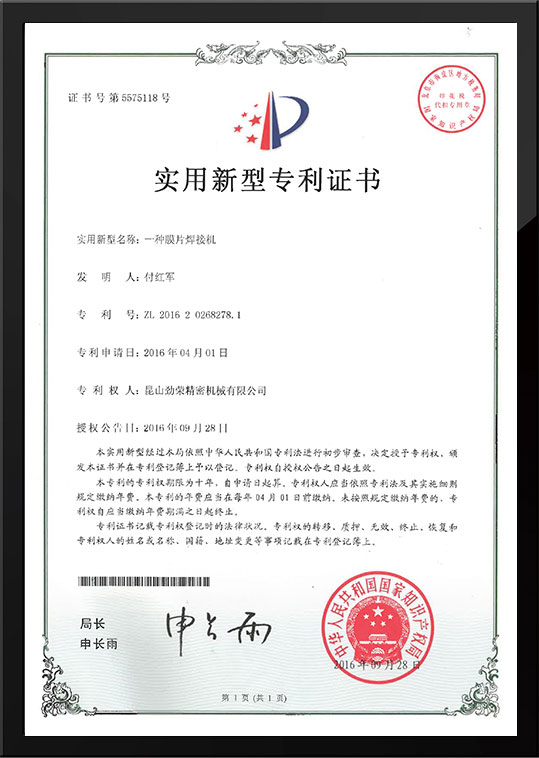
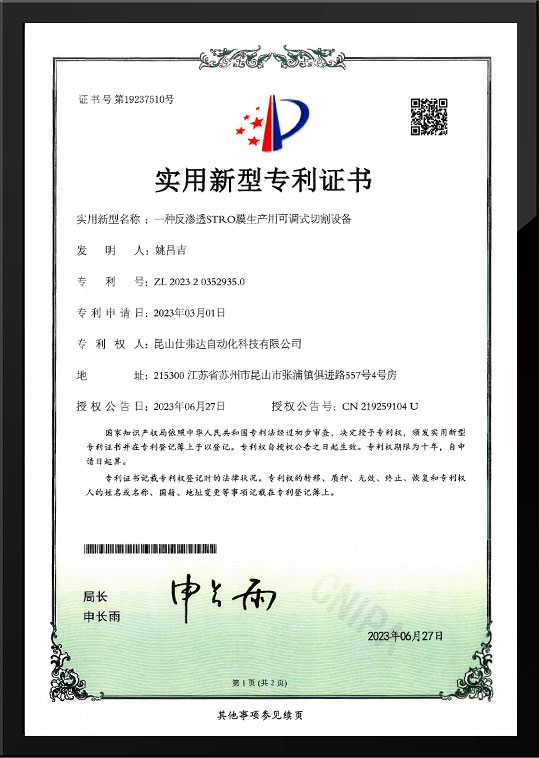
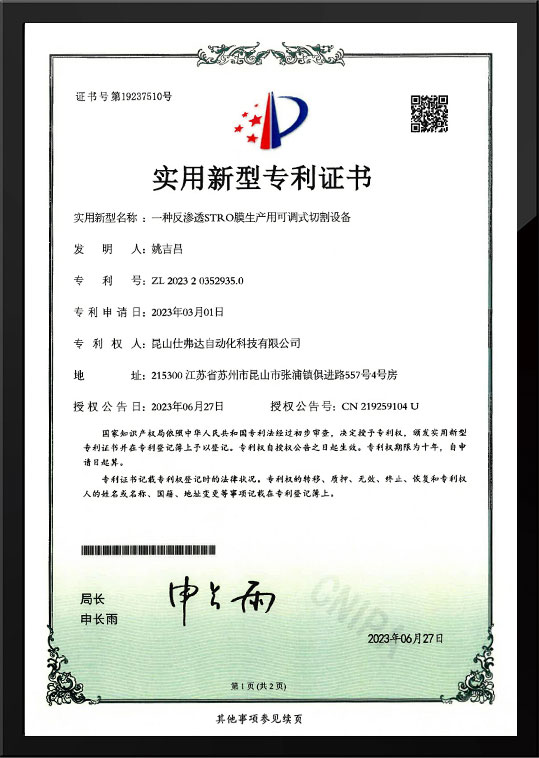
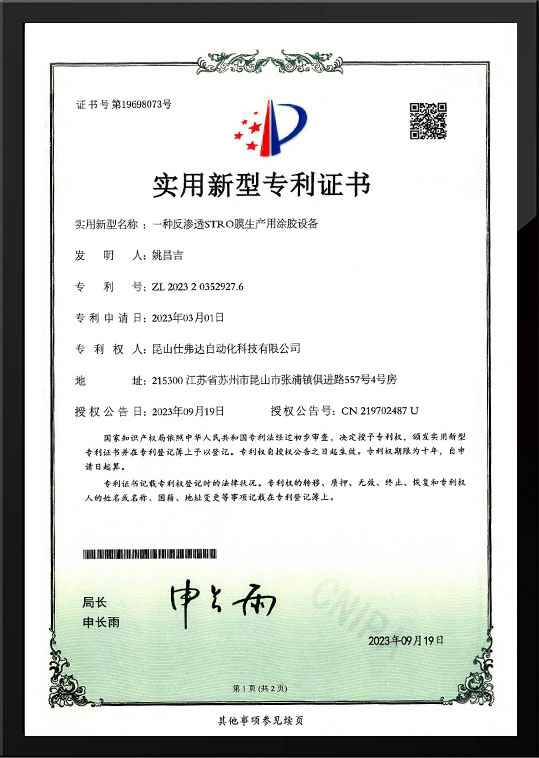
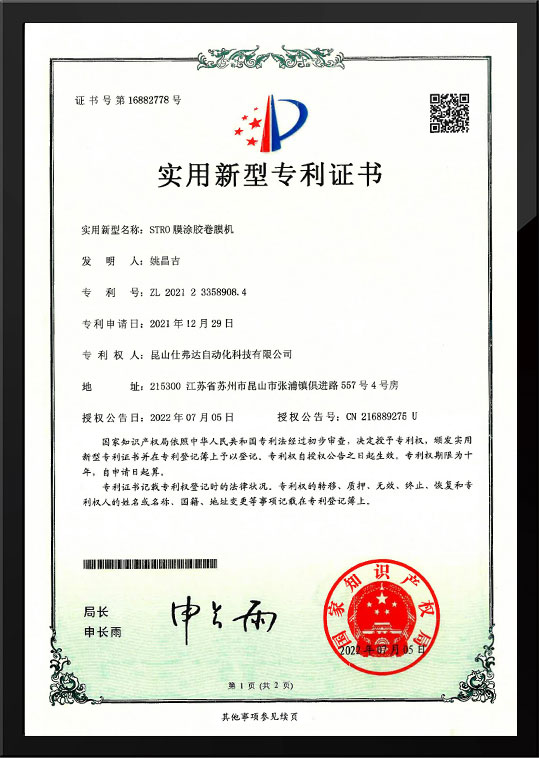
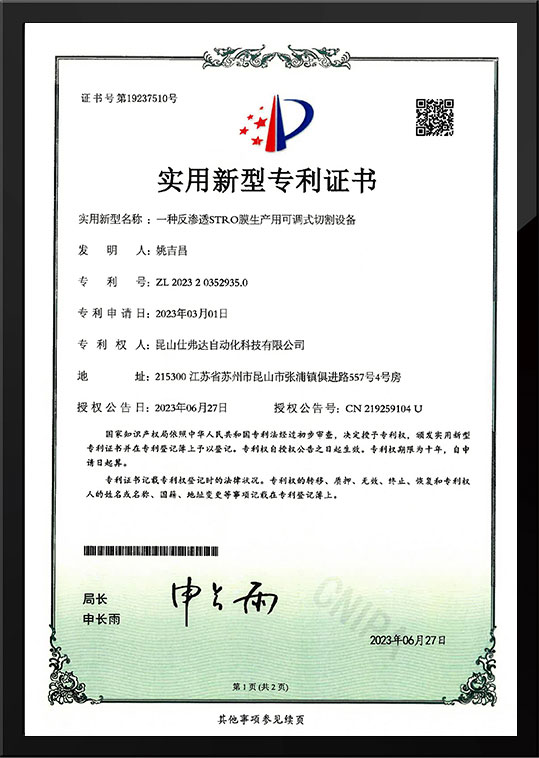
The company's main service industries: automotive, medical, environmental protection, cosmetics, electronics, etc. The core technical capabilities include automated welding equipment, post-processing of hollow board enclosures, post-processing equipment for automobile enclosures, and non-standard automation equipment for medical device products. Design and manufacturing, specializing in providing welding equipment for medical device products, making significant contributions to the industry. We have multiple patents on ultrafiltration, MBR flat membrane, DTRO membrane and other water treatment equipment.
We have established a complete customer service system and have a well-trained and skilled technical service team to serve customers, including R&D and pre-manufacturing technical solution customization, equipment installation and commissioning, technical training and 24-hour after-sales technology Support Services.
The drip chamber is a core component of an infusion set, used to monitor drip rate and prevent air from entering the vein line; it's typically made up of the chamber body, a filter mesh, and upper and lower tubing connectors. This machine automates the assembly of these drip-chamber components, coordinating multiple stations to handle part loading, orientation, assembly, welding, and inline inspection in sequence — replacing the traditional piece-by-piece manual approach.
Drip chamber parts are generally small and finely structured, so manual assembly is not only limited in speed but also prone to fatigue-related errors such as a missing filter mesh or an improperly seated part. A missing or misaligned filter mesh directly compromises the product's particle-filtering function in clinical use. This machine uses vision inspection or sensor feedback to check the assembly status of key components in real time, controlling this kind of hidden quality risk at the source.
In terms of throughput, the multi-station parallel design gives a single machine noticeably higher output than a manual line while reducing the required operator headcount — a natural first step for infusion-set manufacturers looking to automate as they scale up capacity. The compact structure fits easily into an existing cleanroom layout and connects with upstream and downstream production of drip tubes, Murphy drip chambers, and related components.
As one of the highest-volume, most frequently used parts in an infusion set, the drip chamber's assembly consistency has a direct bearing on the pass rate of the finished infusion set. Bringing in automated assembly equipment helps manufacturers meet large-volume, standardized supply demand while holding the line on quality.
 Ready To Customise


