


 English
 عربى


NEWS
Home / News / Industry News / Automation Equipment Factory: How to Choose, Scope, and Qualify a Build Partner
Automation Equipment Factory: How to Choose, Scope, and Qualify a Build Partner
Content
A purchase engineer sends the same three drawings to five suppliers and gets quotes back between USD 38,000 and USD 62,000, every one of them described as the same machine.
The difference is rarely in the price of servo motors or aluminium profile. It sits in how much process engineering the factory folded into the offer: fixture design, weld parameter development, reject handling, and the acceptance test the supplier is willing to sign.
Start with the conclusion. When you qualify an automation equipment factory, judge the process risk it removes from your line, not the length of its product list. A supplier that asks for a longer design phase and offers a written cycle-time guarantee is usually cheaper over three years than the lowest bid that looks compliant on paper.
What an Automation Equipment Factory Actually Sells
The frame, the guarding, and the control cabinet are the small part of the purchase. Five things decide whether the equipment runs at rate: the process window, the fixture and tooling, the feeding and orientation system, the pass or fail decision at the end of every cycle, and documentation your night shift can actually use.
The process window is the real product
A welding-focused factory normally covers several joining methods, because the right one depends on material, wall thickness, and whether the joint has to hold pressure. Ultrasonic welding suits most thermoplastics and heats only the joint area. Hot plate welding handles larger load-bearing seams. Heat staking fixes metal inserts into plastic housings. High-frequency welding seals soft PVC and similar polar materials.
Picking the wrong method is not a performance problem, it is a scrap problem, and it often surfaces as a leak rate that only the customer's incoming inspection detects. The entry point for most programmes is a single-station machine. A standard ultrasonic plastic welding machine sets the reference for cycle time, weld depth, and joint strength before the process is scaled into a multi-station line.
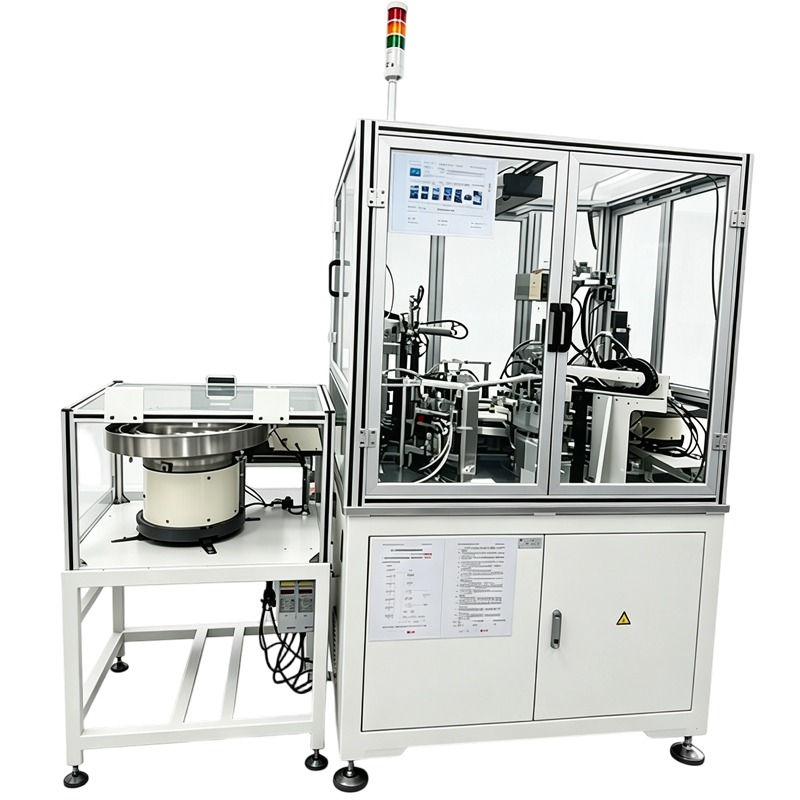
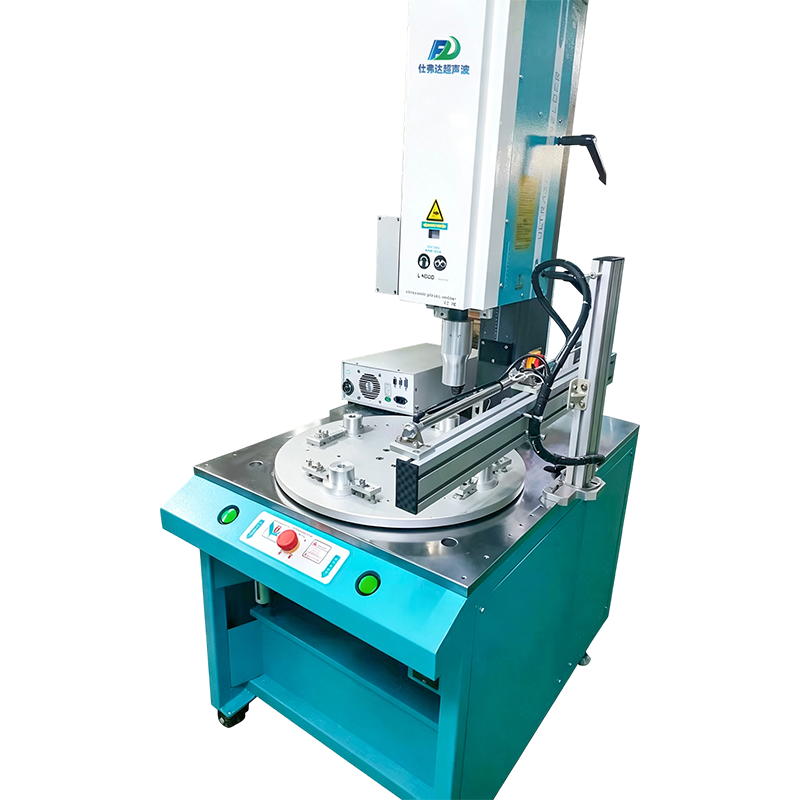 Ultrasonic Plastic Welding Machine for Large Thick-Walled PartsReview this single-station ultrasonic welder for large, thick-walled plastic parts, offering digital precision control and overload protection for consistent weld strength.View Product →
Fixtures and tooling carry the repeatability
Repeatability is bought in the fixture, not in the press. A nest machined to plus or minus 0.05 mm and hardened at the contact points holds weld depth far more consistently than one that relies on how firmly the operator pushes the part home. Changeover time matters just as much: at 40 minutes per product change, the line will be scheduled in large batches, and the one-piece flow promised in the project plan never appears on the shop floor.
How the Equipment Categories Fit Together
Established factories do not sell an unrelated list of machines. The catalogue hangs off one or two core processes and then extends outward into preparation, assembly, and inspection.
- Joining core
- Ultrasonic plastic welding
- Hot plate, heat staking, hot riveting
- High-frequency welding
- Surface preparation
- Atmospheric plasma treatment
- Vacuum plasma treatment
- Ultrasonic dry cleaning
- Assembly and handling
- Feeding, orientation, and part transfer
- Screwing, cap closing, coiling
- Inspection
- Leak and pressure testing
- Level, flatness, and force measurement
- Vertical packages
- Membrane filtration lines
- Medical consumables cells
- Logistics container equipment
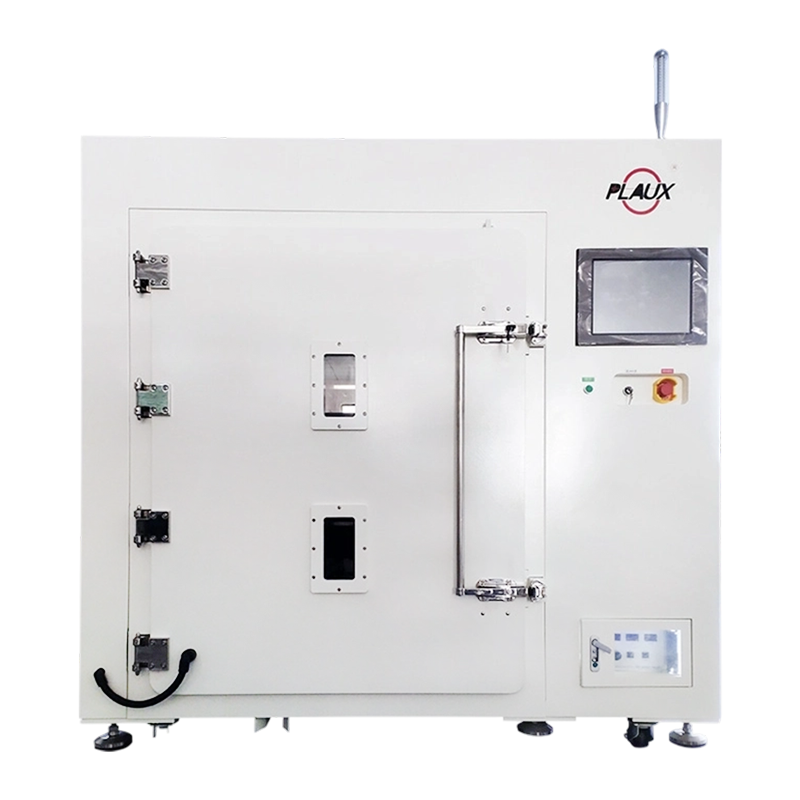
Read the catalogue this way and it becomes a map of engineering depth. A factory with twelve feeding variants and one welding machine is a handling specialist. A supplier carrying several joining technologies, plasma preparation, and inspection stations in the same portfolio can take a part from moulding to a tested assembly. Surface preparation is often the step that decides whether a bonded, printed, or welded joint holds, so it is worth understanding how plasma cleaning works before you accept it as a line item.
How plasma cleaning works also explains why the treatment has to be verified with a measurable surface criterion rather than by visual inspection alone.
Non-standard custom equipment11
Medical consumables equipment9
Plasma cleaning systems9
Membrane filtration equipment6
Ultrasonic welding and jigs5
Logistics and transport equipment1
Where the Vertical Application Changes the Specification
The same welding platform behaves like a different machine once it enters a regulated or high-volume environment. Two examples show why the industry label on the quotation changes the specification.
| Production goal | Failure when mis-scoped | Equipment family that fits |
|---|---|---|
| Leak-tight joint on two moulded plastic halves | Weld flash, weak seam, leaks found only at final test | Ultrasonic welding machine with custom nest and depth control |
| High-volume assembly of small medical components | Manual feeding becomes the bottleneck and parts jam | Automatic assembly and welding cell with oriented feeding |
| Sealing a membrane element for water treatment | Wrinkled membrane, weak seam, damaged active layer | Membrane welding or rolling line for DTRO, RO, MBR and tubular UF modules |
| Adhesive or print that must hold on a low-surface-energy plastic | Intermittent bond failure that appears only after ageing | Atmospheric or vacuum plasma treatment with contact angle verification |
| Confirming every part before it ships | Escaped defects found by the customer instead of the line | Leak, force or flatness measurement and vision stations inside the cell |
Membrane filtration: sealing without damaging the active layer
In water treatment, the equipment does not weld a generic housing, it seals a functional membrane. A machine for DTRO membrane welding has to place a continuous seam through a membrane stack while keeping the separation layer intact. Temperature held inside a narrow band, controlled dwell time, and a seam width that repeats across the full disc decide whether the module passes a pressure test. When those parameters drift, the failure shows up later as salt passage rather than as a visible defect on the line.
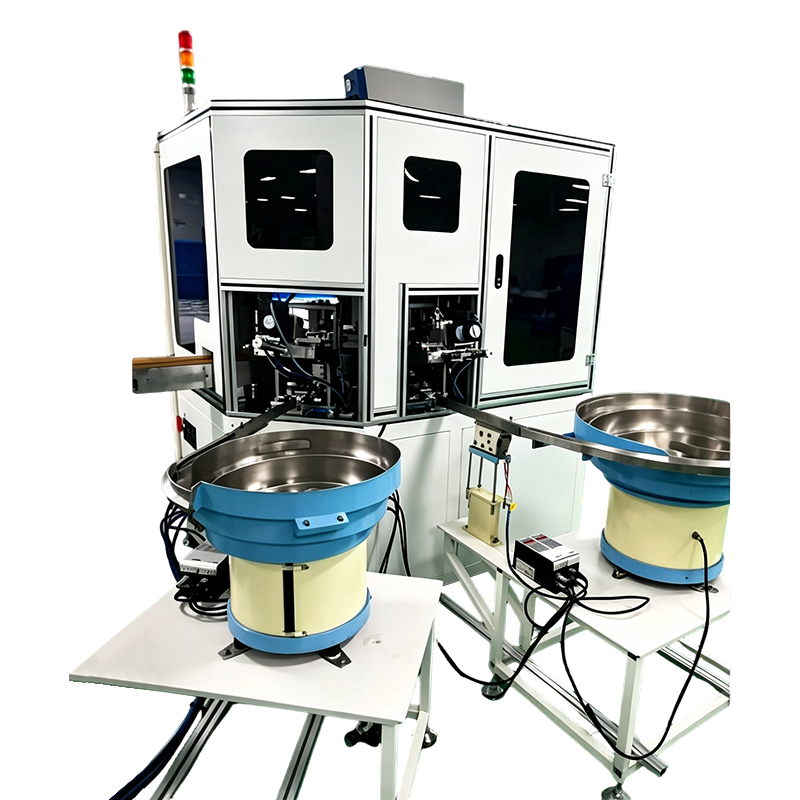
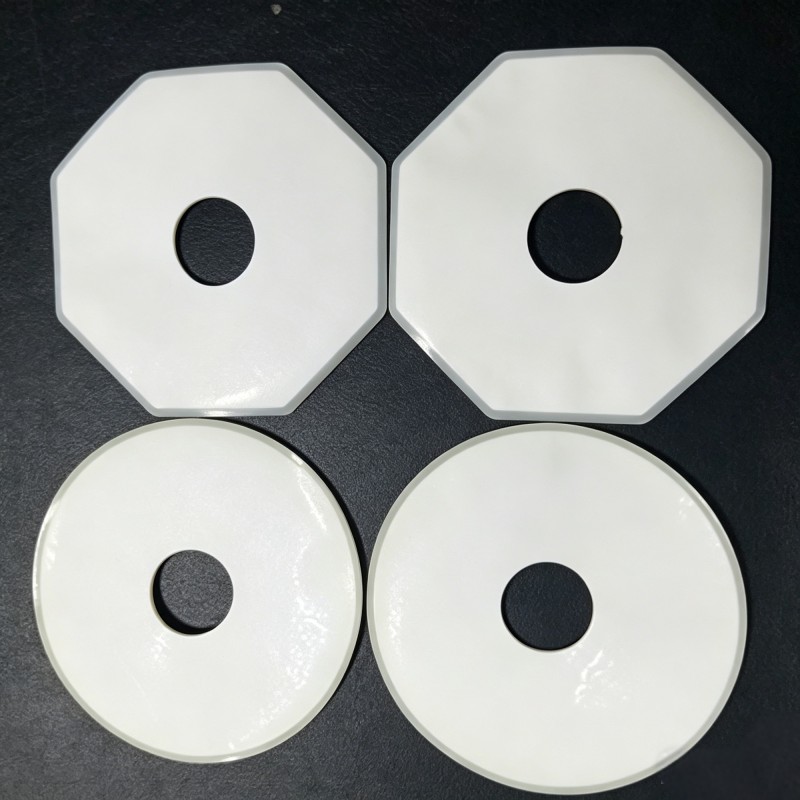 Automatic DTRO Membrane Welding Machine for Water TreatmentView this automated DTRO membrane welder with temperature-controlled cooling, laser cutting, inspection, and zero-consumable design for circular or octagonal diaphragm production.View Product →
Medical consumables: cleanliness and traceability before speed
Medical device industry applications are judged on particulate generation, part traceability, and validation documents rather than on headline cycle time. Equipment that sits in a controlled area has to be cleanable, free of ledges that trap dust, and built from materials that survive routine wiping. Process parameters must be locked and logged so any part can be traced back to a machine, a program, and a time window.
The clinical function of the part also drives the mechanics. Equipment such as a negative pressure drainage bag welding machine has to produce a seam that survives handling and keeps its seal under vacuum, at a cycle time that still leaves the consumable commercially viable. Those two requirements pull in opposite directions, and balancing them is the factory's job, not the buyer's.
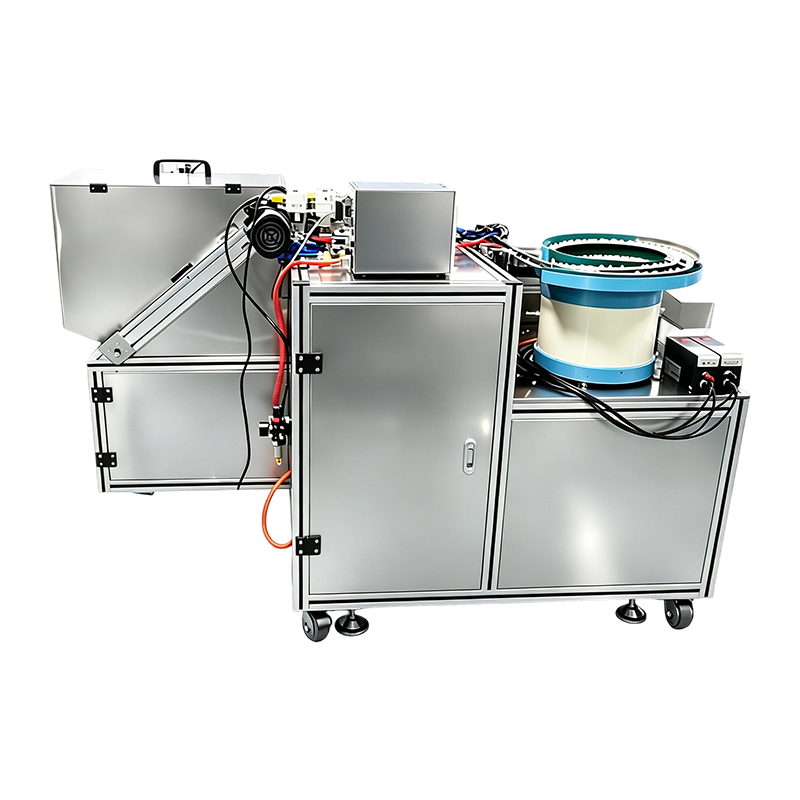
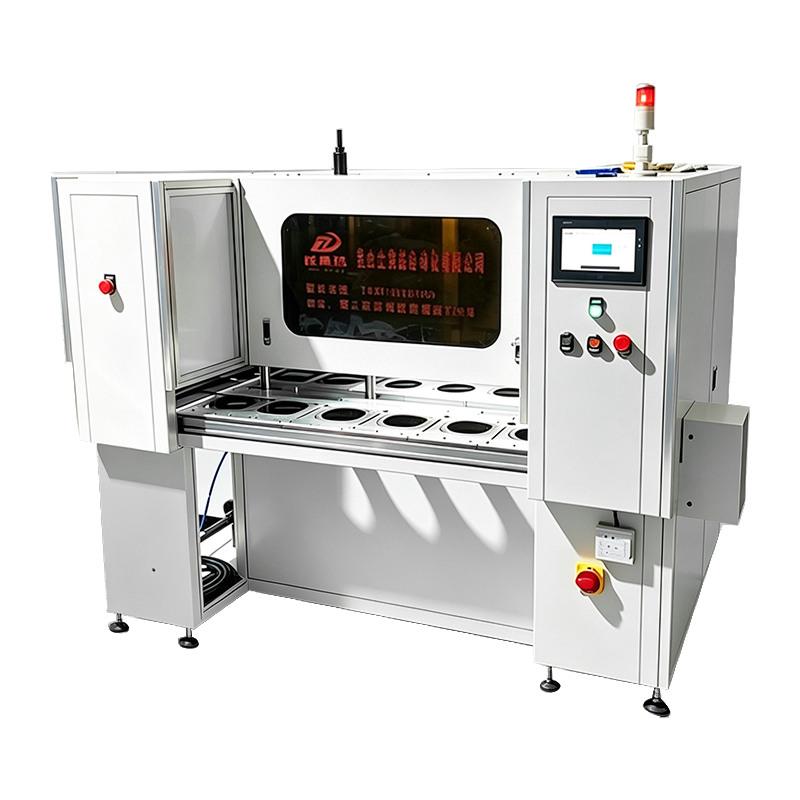 Negative-Pressure Drainage Bag Welding Equipment for Soft Medical BagsReview this customized welding line for vacuum-holding drainage bags, with tension control, adjustable sealing parameters, continuous feeding, and automatic trimming.View Product →
Cost Structure, Tolerances, and Procurement Risk
Budgets go wrong for one reason: buyers compare machine prices while suppliers are quoting different engineering scope. A realistic split for a mid-complexity custom cell looks like this.
Mechanical design and tooling32%
Machined and purchased parts24%
Controls, drives and interface18%
Assembly, wiring and debugging18%
Validation, documentation and training8%
Tolerances deserve the same scrutiny. Positioning repeatability of plus or minus 0.02 mm and plus or minus 0.1 mm can both be described as high precision, yet the first may need linear motors, temperature-stable mounting, and a granite base, while the second is reached with a standard ball-screw axis. Match the specification to the function. If the part is located by a moulded boss with 0.3 mm of natural variation, paying for sub-0.05 mm positioning adds cost without adding yield.
Three procurement risks are worth writing into the contract before the purchase order is signed:
- Control platform lock-in. If the controller brand and program structure stay proprietary, every later change becomes a paid service visit.
- Tooling ownership. Confirm that fixture drawings, CAD files and electrode drawings are handed over at final payment.
- Spare part identification. Cylinders, sensors, seals and belts should be listed by brand and model number before the warranty expires.
A Qualification Sequence That Reduces Surprises
Order the project so that the expensive decisions are made while they are still cheap to reverse.
- Drawing and feasibility review: material, joint geometry, cycle-time target, and a written process recommendation.
- Sample trial: at least 30 consecutive parts on the proposed process, with joint strength, leak rate or dimensional data reported.
- Design freeze: a functional specification covering cycle time, operator interface, safety category, and acceptance criteria.
- Factory acceptance test: run the agreed protocol on production parts, at rate, for a defined duration.
- Site acceptance and ramp: install, re-verify parameters on your material batch, support the first production shifts.
- Handover: drawings, spare parts list, maintenance schedule, and training records.
That order exists because of the cost of change. A parameter adjusted during the sample trial costs an hour of engineering time. The same change requested after site acceptance costs a week of production, a service visit, and a re-validation.
What a Site Audit Should Confirm
A factory visit earns its travel budget only when it is aimed at evidence rather than impressions. Four items repay an hour each.
- Process data, not prototypes. Ask for parameter records from a comparable machine already running at rate for another customer.
- Reject handling. Watch what the line does when a part fails: automatic re-feed, or an operator clearing a jam by hand?
- In-house machining. A factory that machines its own fixtures and welding electrodes can replace a nest in days instead of weeks.
- Assembly standards. Cable routing, labelling, guarding and grounding on machines waiting for shipment show what final assembly will look like at your plant.
The practical test for any automation equipment factory comes down to three answers. Which process parameters will the supplier guarantee in writing, which failure modes is the acceptance test designed to catch, and what happens on day 400 when a fixture wears out? A factory that answers with numbers, drawings and a spare parts list will serve you better than one that answers with a catalogue.
PREV:Automation Equipment Manufacturer: Practical Applications, Selection, Performance, and
NEXT:How to Choose the Right Ultrasonic Welding Machine Supplier for Your Factory
NEXT:How to Choose the Right Ultrasonic Welding Machine Supplier for Your Factory

NEWS
News & Updates
-
When a production engineer watches a new ultrasonic welding station reject 12 percent of thin-walle...
READ MORE -
A production engineer at a medical device plant receives three quotes for an automatic assembly mac...
READ MORE -
You have received three quotations for an ultrasonic plastic welder. The frequencies look similar, ...
READ MORE -
On the floor of a mid-sized medical device plant, the bottleneck is rarely a single machine. It is ...
READ MORE
 Ready To Customise
Your Products?
-
Kunshan Shifuda Automation Technology Co., Ltd.
-
Quick Links
Home Products About Us Application News Contact Us -
Product Categories
Water Treatment Membrane Filtration Equipment Logistics and Transportation Equipment Medical Consumables Equipment Ultrasonic Welding Machine Non-standard customization Plasma Cleaning Machine -
Contact Us

Mobile: +86 15821087903

Tel: +86 0512-36839705

Email: kellymeng@sfdauto.com

Add:No. 53, Changshun Road, Zhangpu Town, Kunshan City
Copyright © 2026 by
Kunshan Shifuda Automation Technology Co., Ltd.
All Rights Reserved.
Custom Industrial Automation Welding Equipment Manufacturers
