


 English
 عربى
عربى


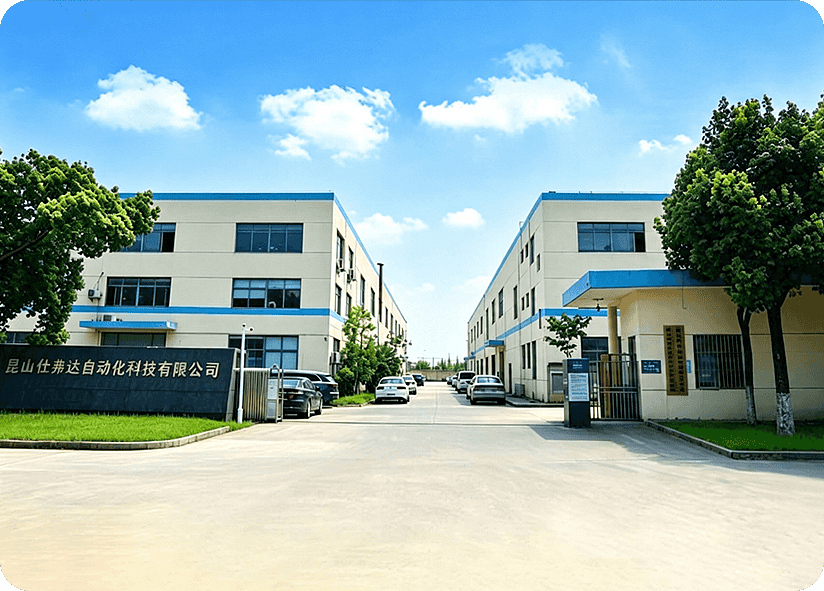
As China Fully Automatic Catheter Assembly Equipment Manufacturers and Medical Catheter Assembly Machine Suppliers, Kunshan Shifuda Automation Technology Co., Ltd. (Anhui Shifuda Automation Technology Co., Ltd.) is a modern enterprise integrating R&D, manufacturing, sales, and technical services. It is a relatively competitive equipment supplier in the domestic automation field.
1.Professional R&D, production, sales, ultrasonic plastic welding machines, non-standard automation, hot melt machines, testing equipment, automated assembly, tooling fixtures, molds and other machinery and equipment.
2.Our company mainly targets the plastic welding automation industry. The processes are as follows (ultrasonic welding process, hot melt process, hot plate process, hot riveting process, high frequency welding process, high frequency welding process, eddy current process, etc.)
3.Our company also has a lot of R&D equipment in the water treatment industry, including DTRO diaphragm welding, MBR flat membrane welding, and tubular membrane welding.
4.Logistics industry, (post-processing equipment for hoarding boxes, hollow panels, post-processing equipment for turnover boxes)
5.Medical industry, (blood collection needles, cover pockets, negative pressure drainage bags, peripheral blood collection needles, infusion tubes, scalp needles, retention needles, heparin caps, etc., multiple automated assembly and welding equipment)
Our company has in-depth research in the automotive field, logistics field, medical field, toys, electronics and other fields.
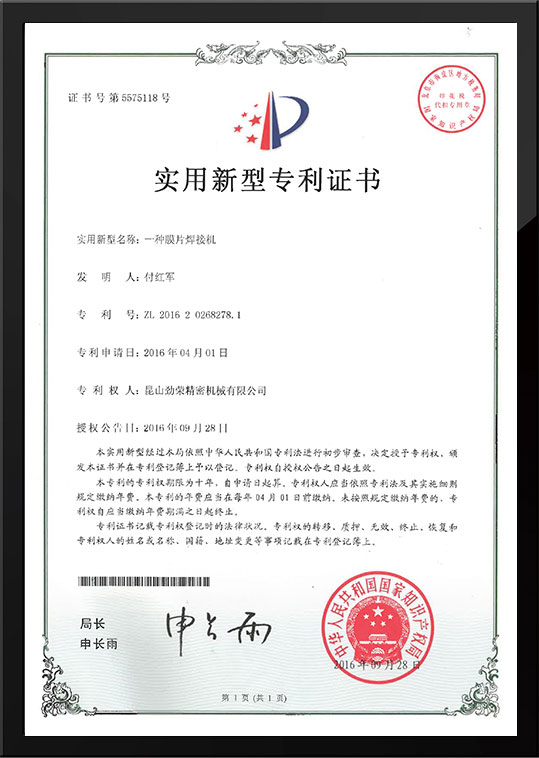
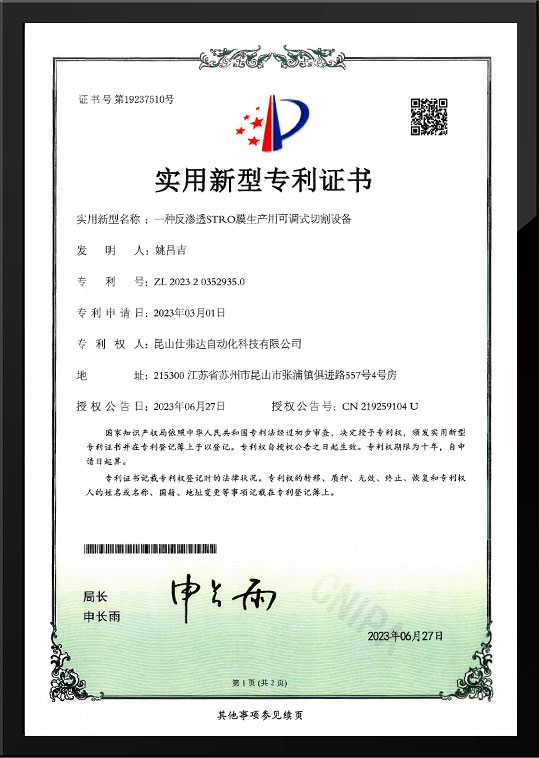
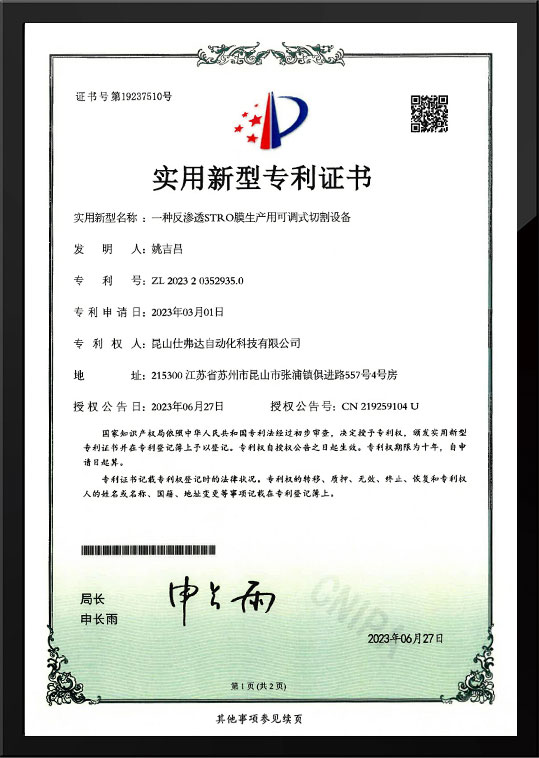
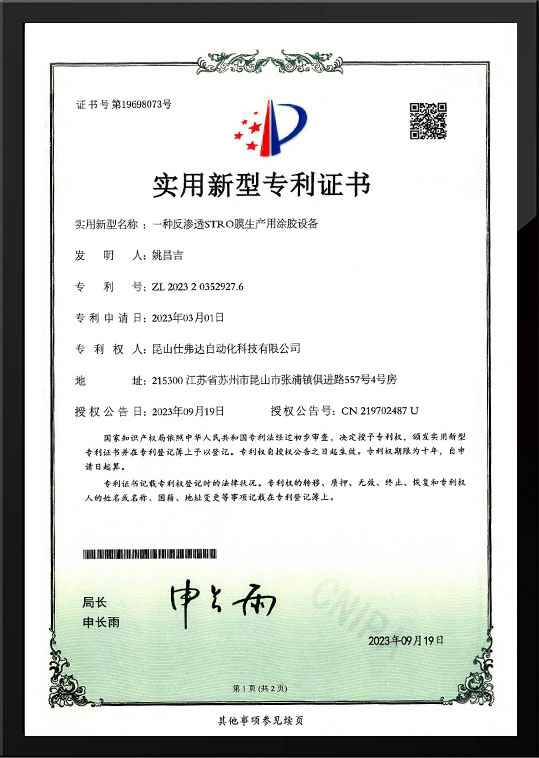
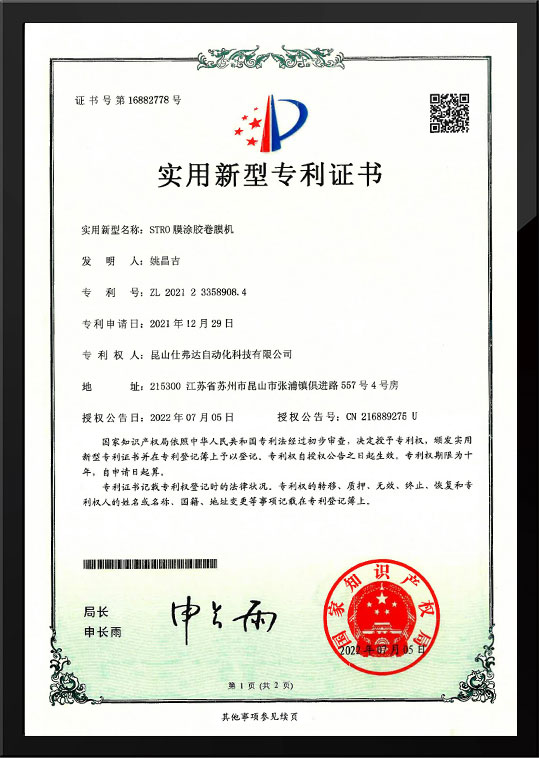
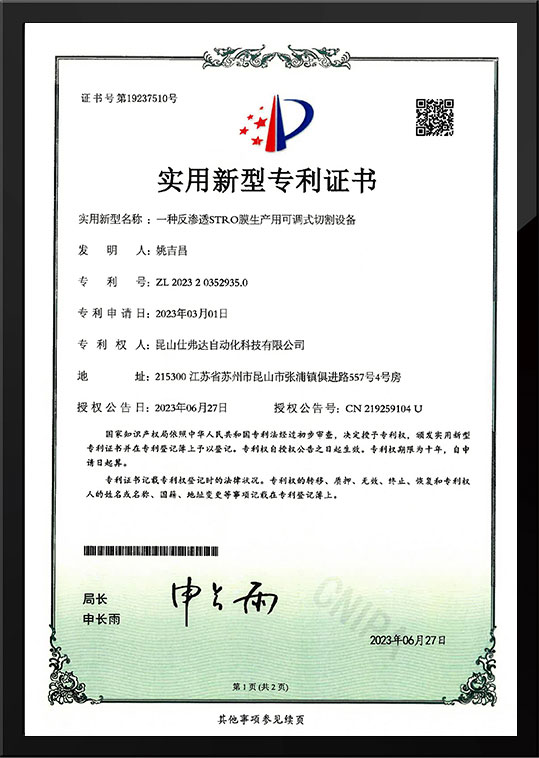
The company's main service industries: automotive, medical, environmental protection, cosmetics, electronics, etc. The core technical capabilities include automated welding equipment, post-processing of hollow board enclosures, post-processing equipment for automobile enclosures, and non-standard automation equipment for medical device products. Design and manufacturing, specializing in providing welding equipment for medical device products, making significant contributions to the industry. We have multiple patents on ultrafiltration, MBR flat membrane, DTRO membrane and other water treatment equipment.
We have established a complete customer service system and have a well-trained and skilled technical service team to serve customers, including R&D and pre-manufacturing technical solution customization, equipment installation and commissioning, technical training and 24-hour after-sales technology Support Services.
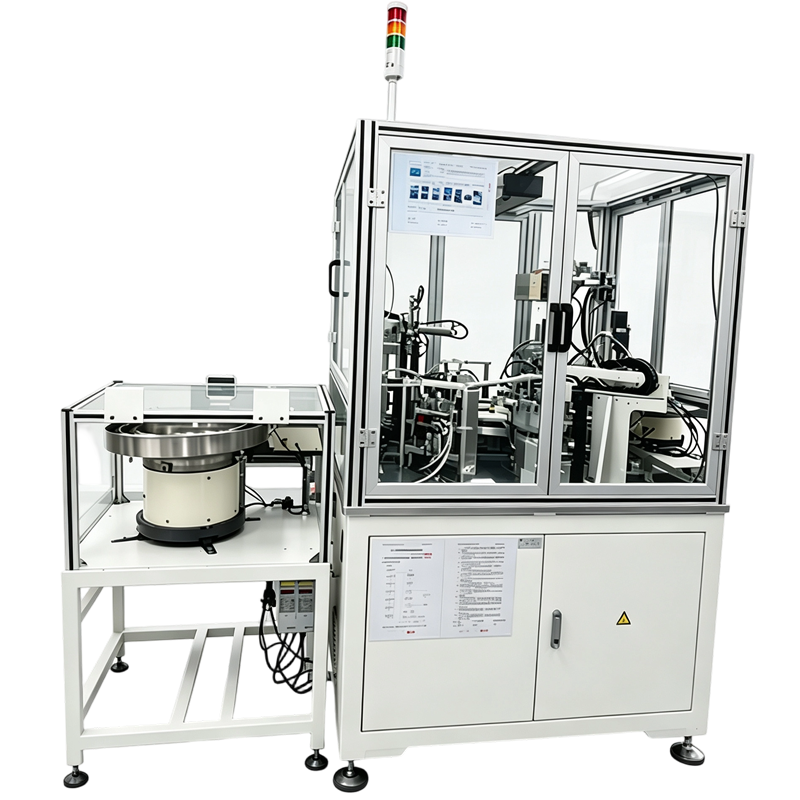
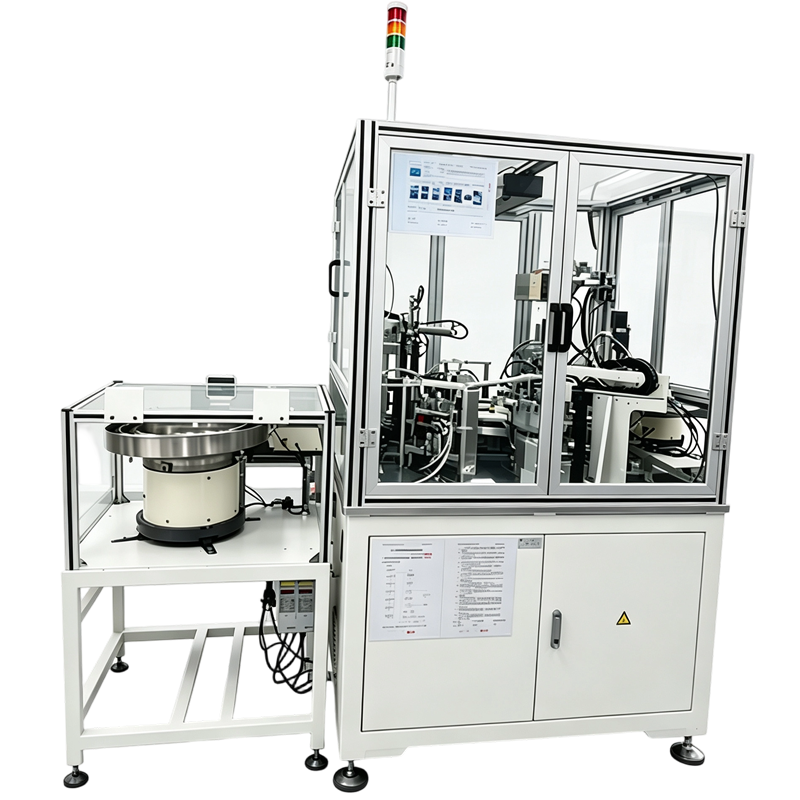
This fully automatic assembly system is designed for medical catheter products that consist of multiple components. It covers loading, positioning, assembly, and inspection stations, consolidating a workflow that would otherwise require several operators onto a single machine. Catheter products are typically built from tubing, connectors, and Luer fittings, and manual assembly is prone to missed parts, mismatched components, or inconsistent assembly force — this equipment reduces those defects at the source through station interlocks and sensor-based checks.
The modular station design allows tooling adjustments for different catheter lengths, diameters, and connector types, so the same machine can handle infusion tubing, drainage tubes, urinary catheters, and other sub-categories — a useful feature for manufacturers running multiple product families on one line. An inline inspection step verifies key dimensions and confirms proper seating of components in real time, automatically rejecting non-conforming units before they leave the line and cutting down on manual re-inspection afterward.
In terms of output, full automation delivers a meaningful throughput advantage over semi-automatic or manual lines while reducing reliance on operator headcount and skill level — a good fit for producers balancing labor cost pressure against strict assembly-quality requirements for medical devices.
The overall structure is easy to clean and maintain, which aligns with the workshop environmental standards expected of medical device manufacturers and provides a hardware-level foundation for pursuing related quality-system certifications.
 Ready To Customise


