


 English
 عربى
عربى


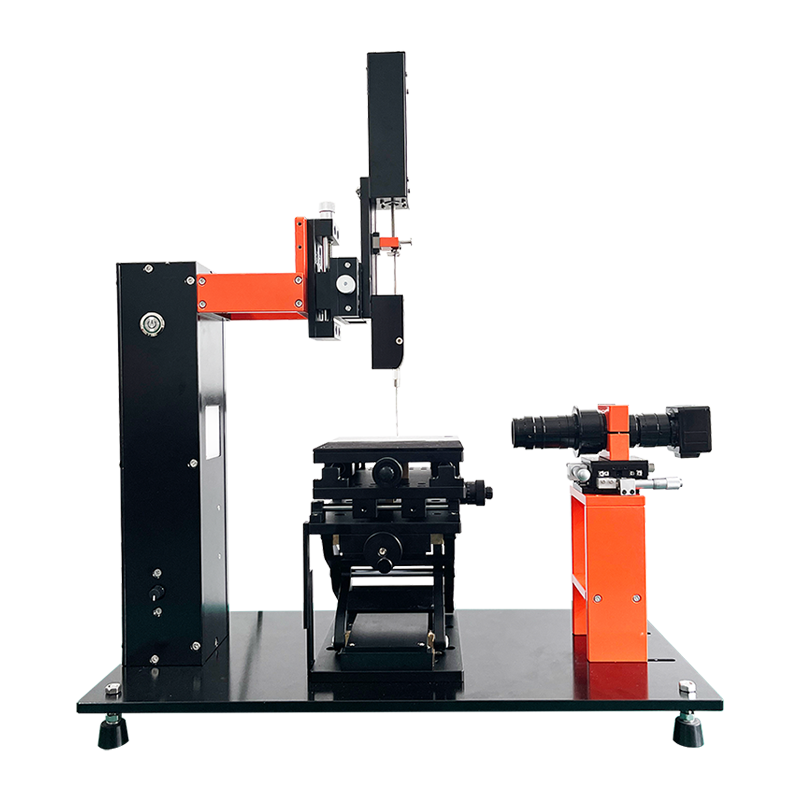
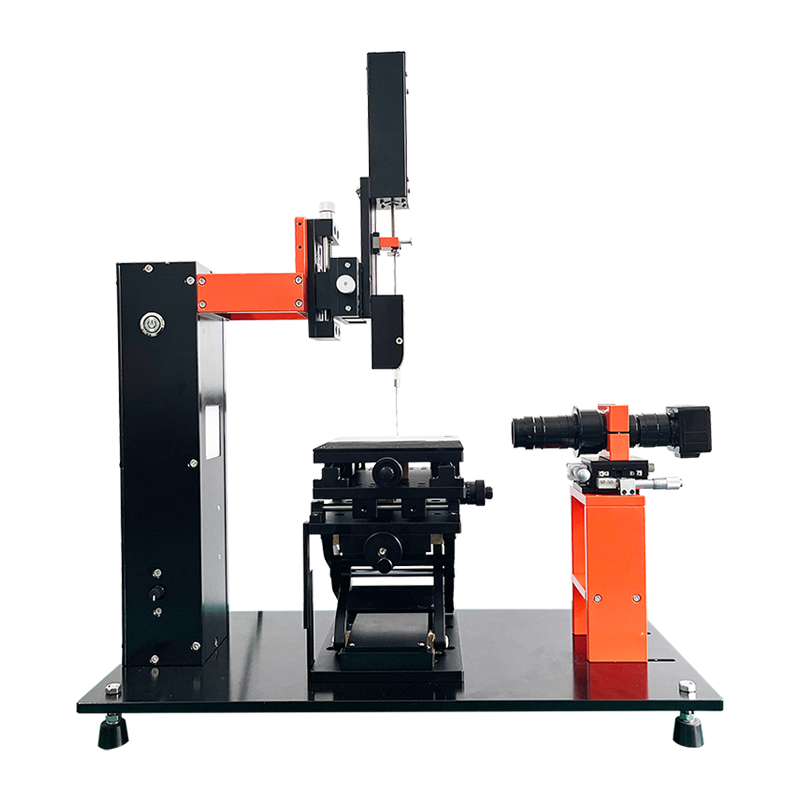
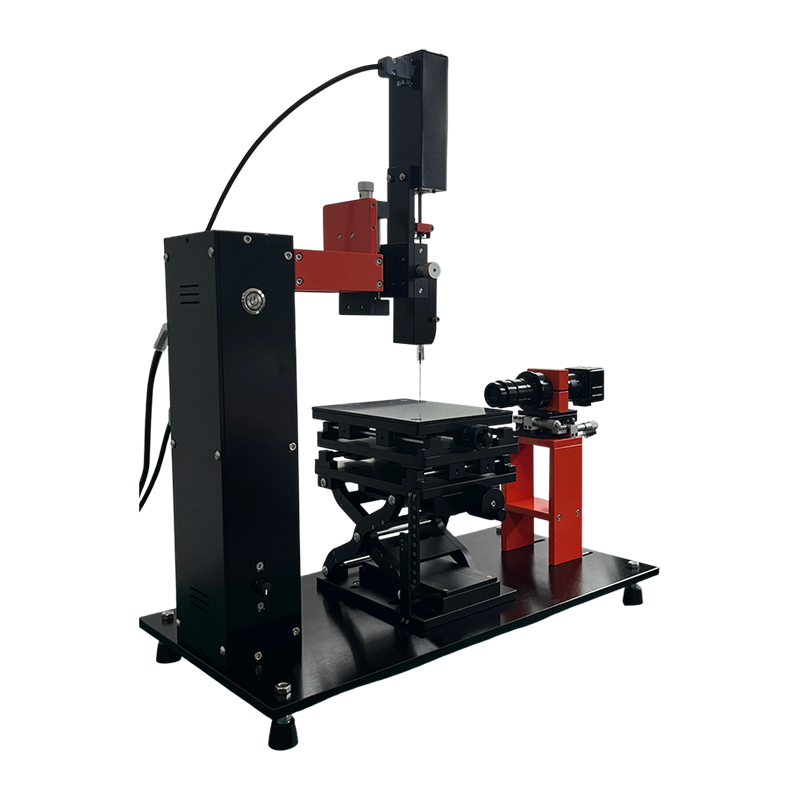
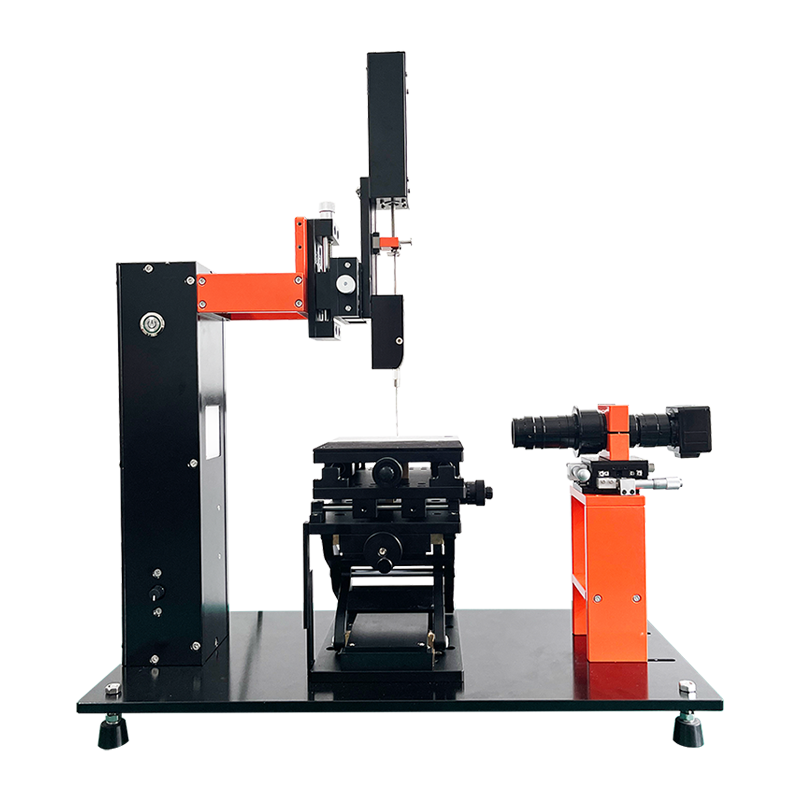
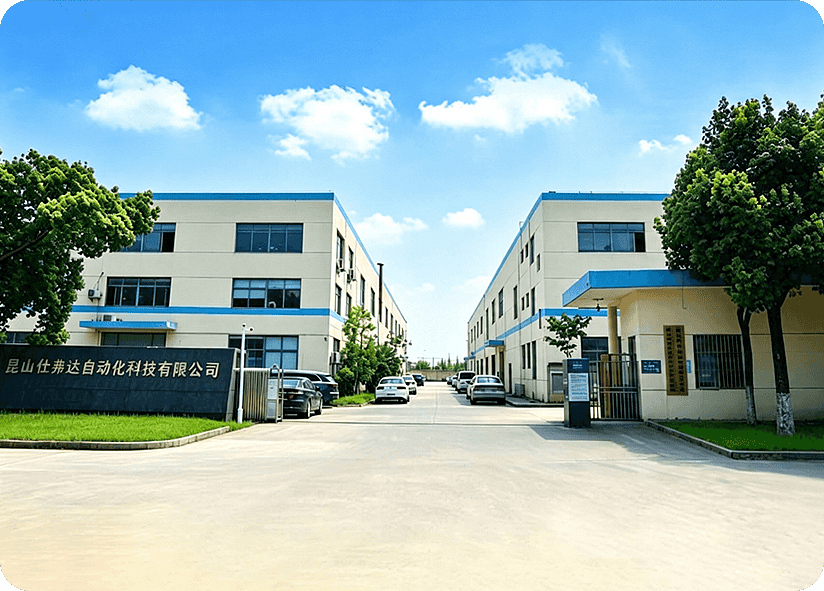
As China Optical Contact Angle Measuring Instrument Manufacturers and Optical Contact Angle Measuring Instrument Suppliers, Kunshan Shifuda Automation Technology Co., Ltd. (Anhui Shifuda Automation Technology Co., Ltd.) is a modern enterprise integrating R&D, manufacturing, sales, and technical services. It is a relatively competitive equipment supplier in the domestic automation field.
1.Professional R&D, production, sales, ultrasonic plastic welding machines, non-standard automation, hot melt machines, testing equipment, automated assembly, tooling fixtures, molds and other machinery and equipment.
2.Our company mainly targets the plastic welding automation industry. The processes are as follows (ultrasonic welding process, hot melt process, hot plate process, hot riveting process, high frequency welding process, high frequency welding process, eddy current process, etc.)
3.Our company also has a lot of R&D equipment in the water treatment industry, including DTRO diaphragm welding, MBR flat membrane welding, and tubular membrane welding.
4.Logistics industry, (post-processing equipment for hoarding boxes, hollow panels, post-processing equipment for turnover boxes)
5.Medical industry, (blood collection needles, cover pockets, negative pressure drainage bags, peripheral blood collection needles, infusion tubes, scalp needles, retention needles, heparin caps, etc., multiple automated assembly and welding equipment)
Our company has in-depth research in the automotive field, logistics field, medical field, toys, electronics and other fields.
The company's main service industries: automotive, medical, environmental protection, cosmetics, electronics, etc. The core technical capabilities include automated welding equipment, post-processing of hollow board enclosures, post-processing equipment for automobile enclosures, and non-standard automation equipment for medical device products. Design and manufacturing, specializing in providing welding equipment for medical device products, making significant contributions to the industry. We have multiple patents on ultrafiltration, MBR flat membrane, DTRO membrane and other water treatment equipment.
We have established a complete customer service system and have a well-trained and skilled technical service team to serve customers, including R&D and pre-manufacturing technical solution customization, equipment installation and commissioning, technical training and 24-hour after-sales technology Support Services.
When a liquid droplet sits on a solid surface, it forms an angle at the point where the solid, liquid, and gas phases meet. That angle is a direct readout of how well the liquid wets the surface: a smaller angle means the liquid spreads easily and the surface is hydrophilic; a larger angle means the liquid beads up and the surface is hydrophobic. This is the contact angle — the key indicator of whether a surface will bond, print, coat, or weld well, and the standard way to confirm whether a plasma, corona, or UV surface-activation process has actually worked.
The instrument measures using optical imaging: a precision dispensing system deposits a micro-droplet on the sample surface, a coaxial light source and camera capture the droplet's profile, and software fits the droplet boundary to calculate the contact angle automatically. The whole process is non-contact, leaves the sample surface undamaged, and delivers repeatable results suitable for batch sampling.
The dispensing head uses a fine-adjustable syringe assembly so droplet size stays consistent from batch to batch. The sample stage offers multi-axis adjustment — tilt, rotation, and horizontal travel — making it easy to align the drop point on workpieces of different shapes and sizes. The optical path (focus and angle) adjusts independently to keep the droplet image sharp, giving the angle-fitting calculation a stable input. The whole assembly sits on a leveled base plate that damps vibration, keeping measurement data reliable run to run.
The instrument suits quantitative surface-treatment evaluation on films, glass, metal, plastics, textiles, coatings, PCBs, and solar backsheets, among other materials. Typical use cases include verifying the effect of plasma-cleaning lines, formulating coatings and inks, developing hydrophobic/oleophobic coatings, and calculating surface free energy — turning surface-treatment quality control from a judgment call into a measured number.
 Ready To Customise


