


 English
 عربى
عربى


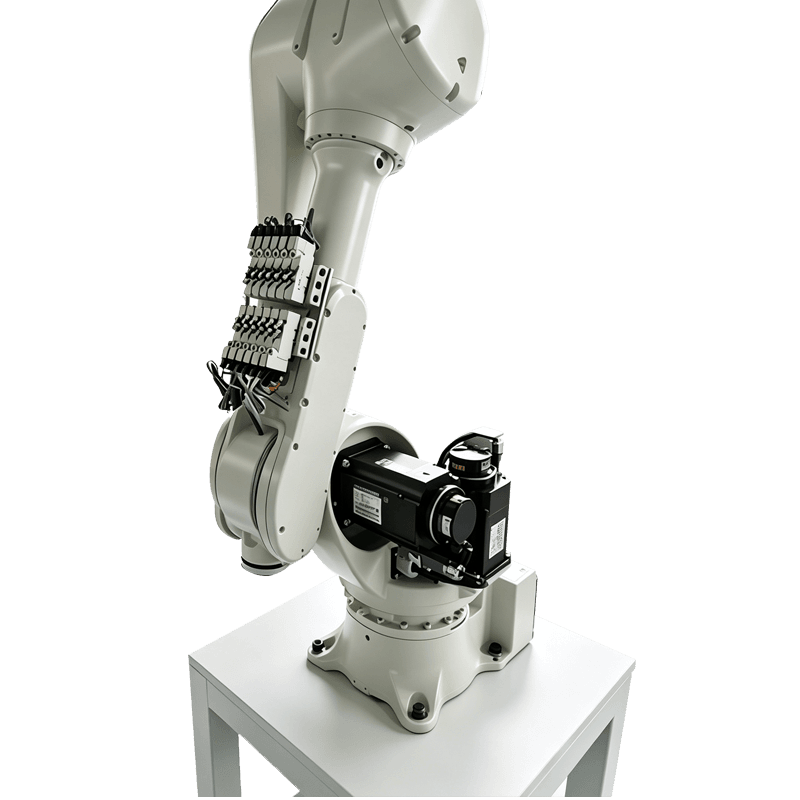
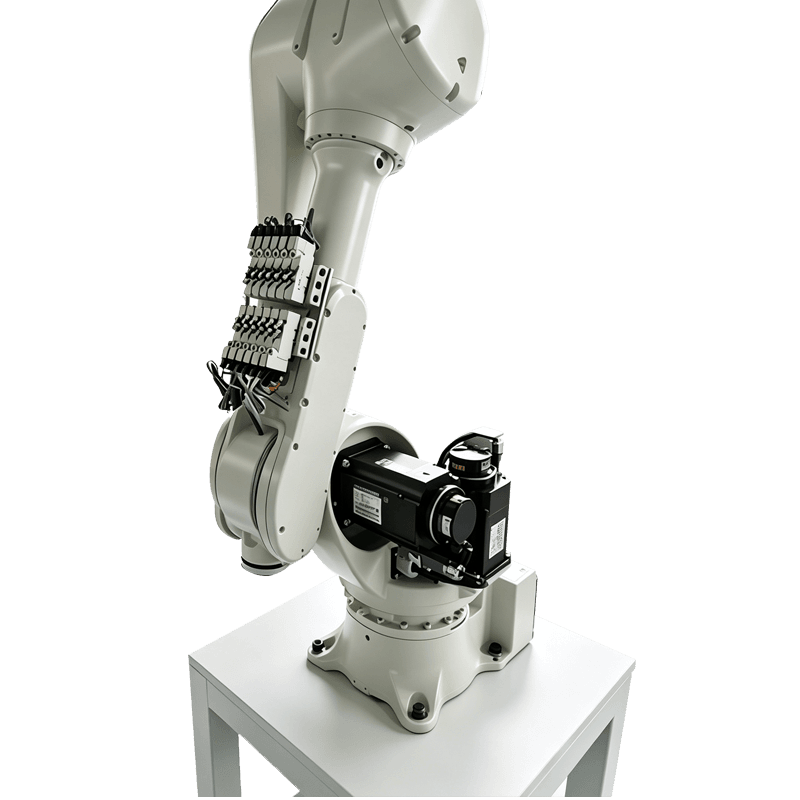
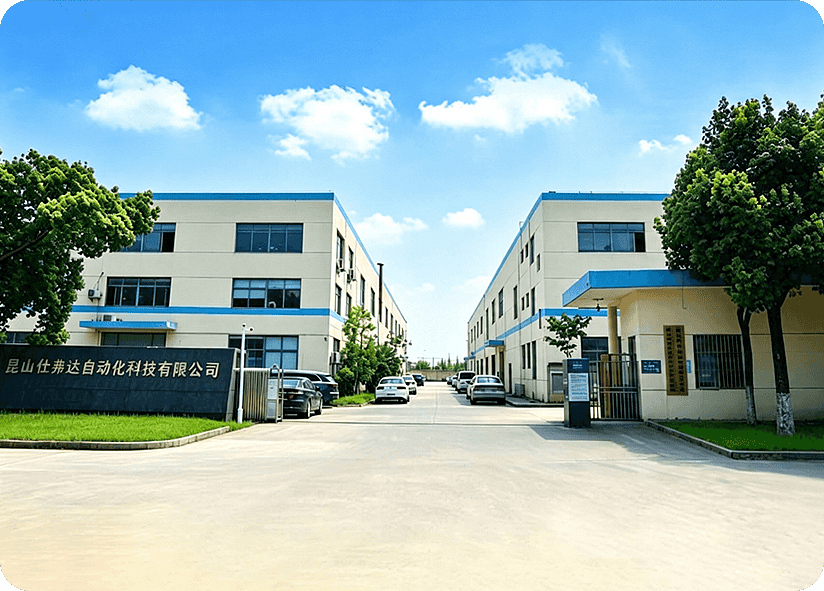
As China Automotive Clip Assembly Equipment Manufacturers and Automotive Clip Assembly Equipment Suppliers, Kunshan Shifuda Automation Technology Co., Ltd. (Anhui Shifuda Automation Technology Co., Ltd.) is a modern enterprise integrating R&D, manufacturing, sales, and technical services. It is a relatively competitive equipment supplier in the domestic automation field.
1.Professional R&D, production, sales, ultrasonic plastic welding machines, non-standard automation, hot melt machines, testing equipment, automated assembly, tooling fixtures, molds and other machinery and equipment.
2.Our company mainly targets the plastic welding automation industry. The processes are as follows (ultrasonic welding process, hot melt process, hot plate process, hot riveting process, high frequency welding process, high frequency welding process, eddy current process, etc.)
3.Our company also has a lot of R&D equipment in the water treatment industry, including DTRO diaphragm welding, MBR flat membrane welding, and tubular membrane welding.
4.Logistics industry, (post-processing equipment for hoarding boxes, hollow panels, post-processing equipment for turnover boxes)
5.Medical industry, (blood collection needles, cover pockets, negative pressure drainage bags, peripheral blood collection needles, infusion tubes, scalp needles, retention needles, heparin caps, etc., multiple automated assembly and welding equipment)
Our company has in-depth research in the automotive field, logistics field, medical field, toys, electronics and other fields.
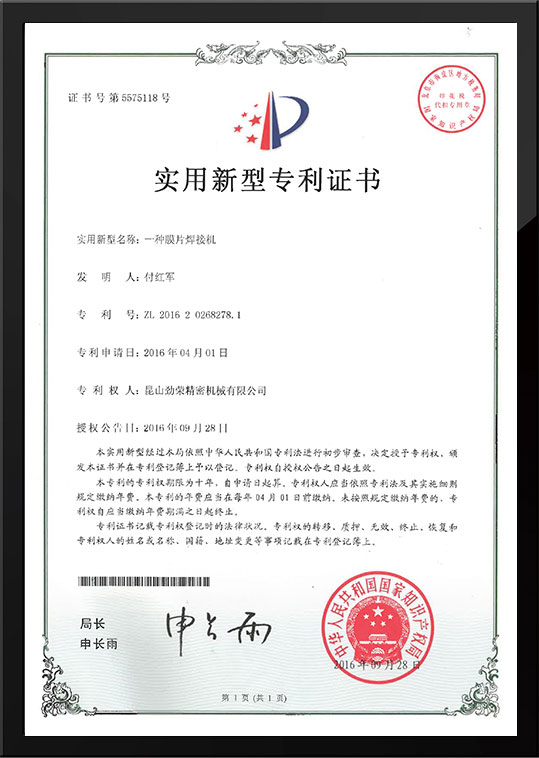
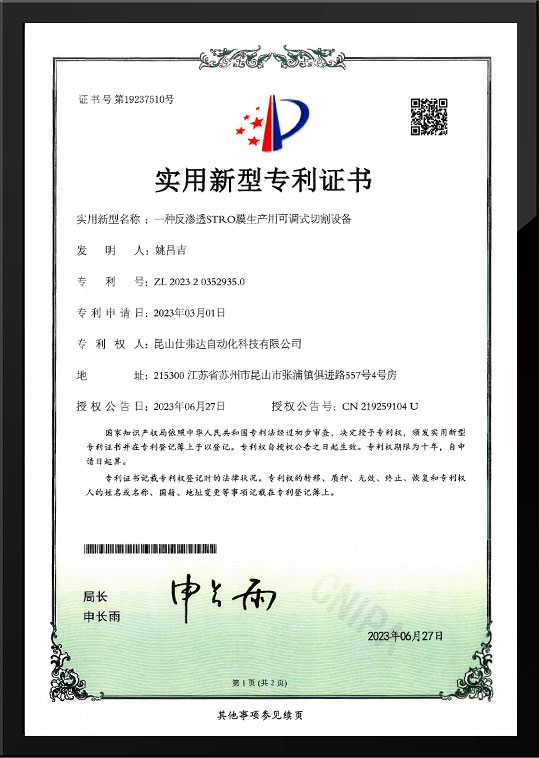
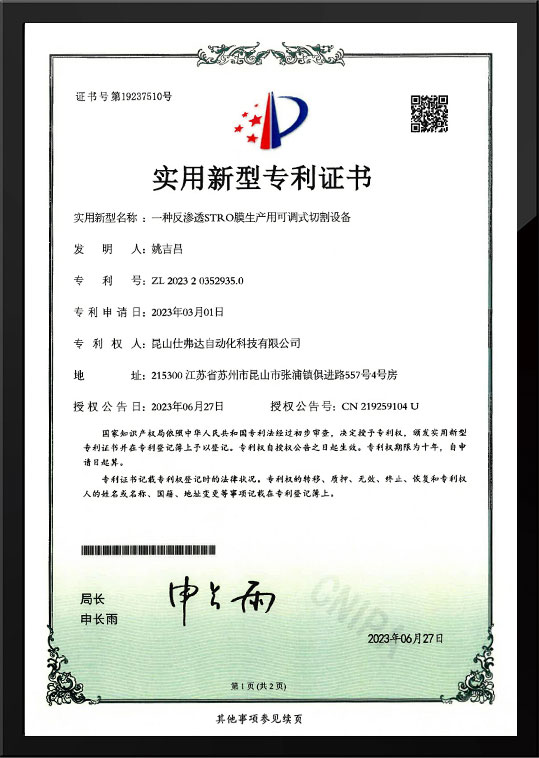
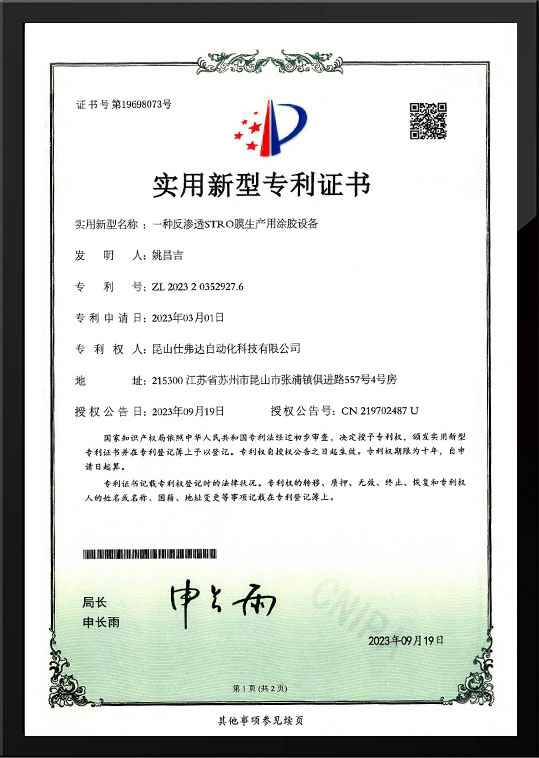
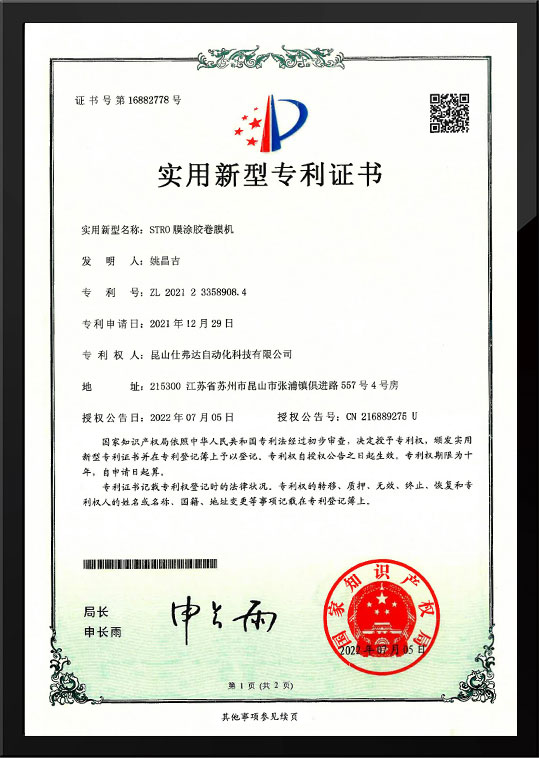
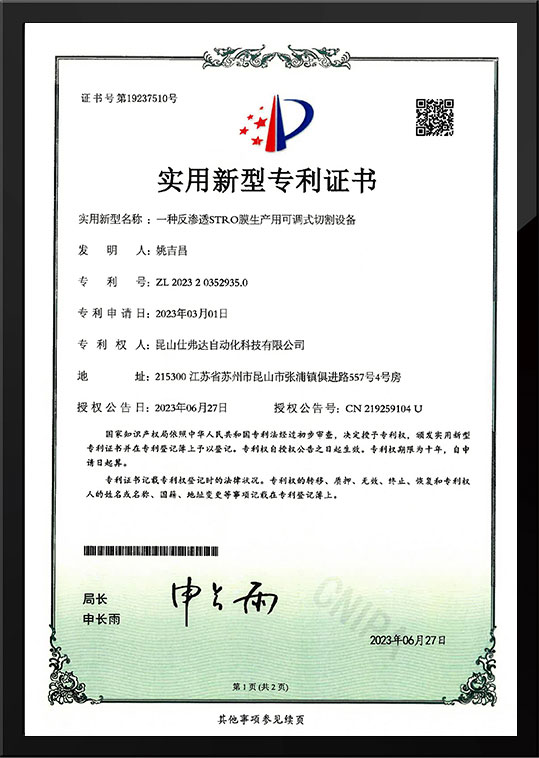
The company's main service industries: automotive, medical, environmental protection, cosmetics, electronics, etc. The core technical capabilities include automated welding equipment, post-processing of hollow board enclosures, post-processing equipment for automobile enclosures, and non-standard automation equipment for medical device products. Design and manufacturing, specializing in providing welding equipment for medical device products, making significant contributions to the industry. We have multiple patents on ultrafiltration, MBR flat membrane, DTRO membrane and other water treatment equipment.
We have established a complete customer service system and have a well-trained and skilled technical service team to serve customers, including R&D and pre-manufacturing technical solution customization, equipment installation and commissioning, technical training and 24-hour after-sales technology Support Services.
This equipment automates the assembly of plastic clips, fasteners and trim retainers used throughout automotive interior and exterior parts — components that secure door panels, dashboard trim, wiring harnesses, weatherstripping and similar assemblies onto the vehicle body without bolts or screws. Manual insertion of these small clips is repetitive and prone to missed or misaligned parts, which can lead to squeaks, rattles or loose trim after the vehicle is on the road, so consistent, verified clip placement matters for both quality and NVH (noise-vibration-harshness) performance.
The system generally combines a vibratory bowl feeder or tray-feed mechanism to orient the small clip parts, a pick-and-place or press-fit station that inserts each clip into its mounting hole with a controlled, monitored insertion force, and a verification sensor that confirms the clip has seated fully and correctly before the part advances. Force monitoring during press-fitting helps catch under- or over-insertion, both of which can compromise the clip's holding strength or damage the mounting surface.
Tooling is designed for relatively quick change-over between different clip types and panel geometries, which suits automotive parts suppliers running multiple trim variants for different vehicle models on the same line. By replacing manual clip installation with a monitored automatic process, manufacturers gain more consistent assembly force and placement accuracy, reduced dependence on operator skill, and production data that supports quality traceability back to individual parts or batches.
 Ready To Customise


