


 English
 عربى
عربى


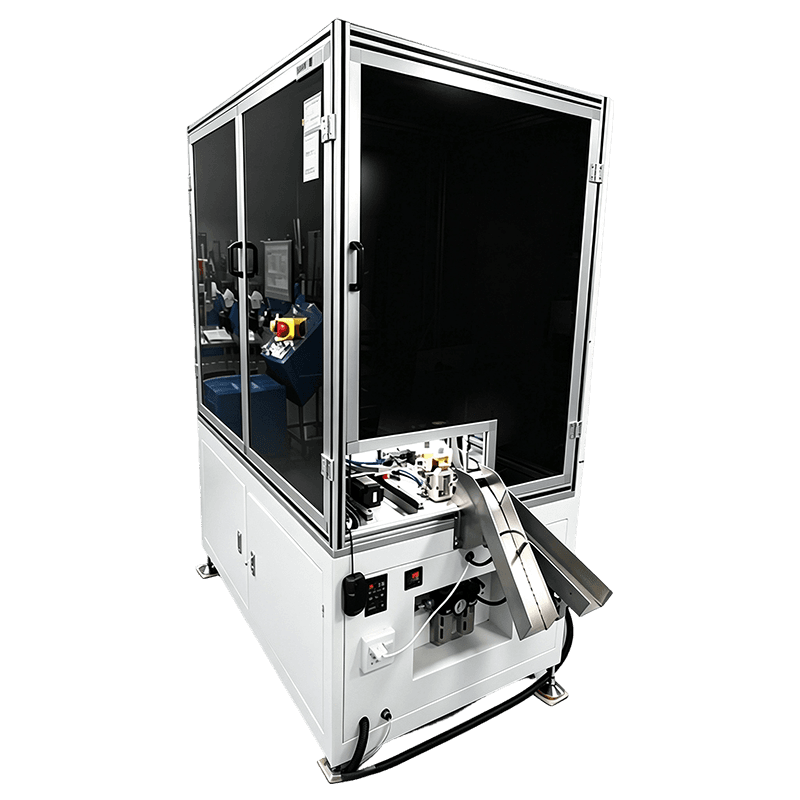
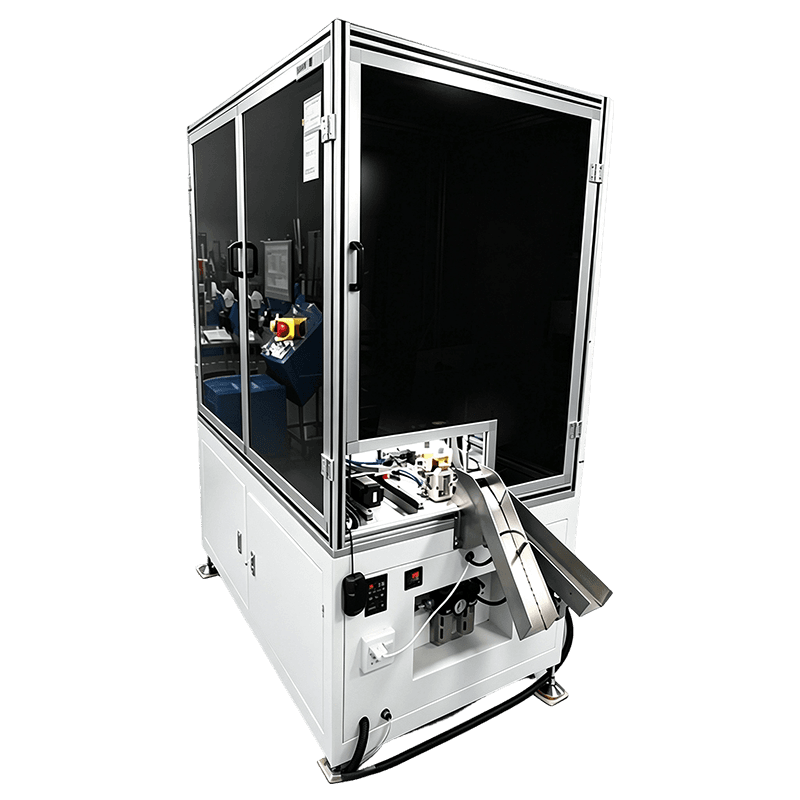
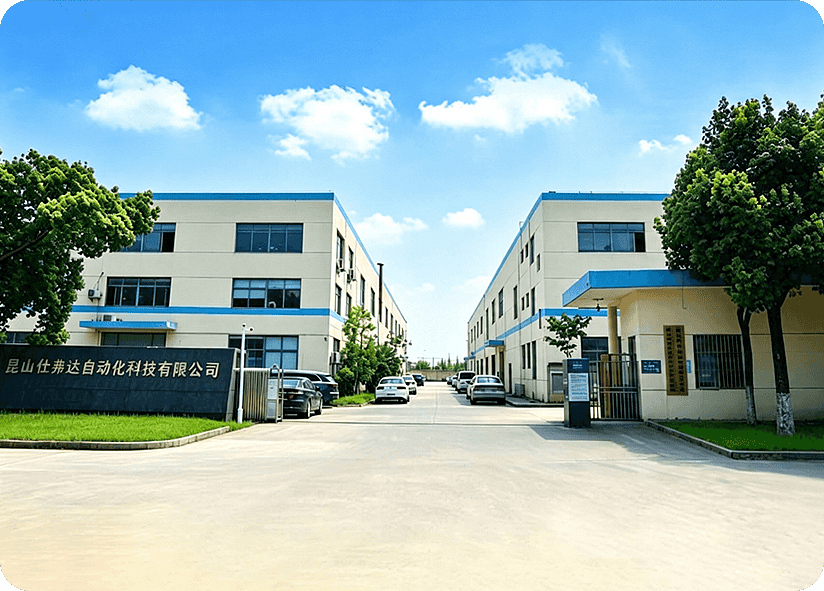
As China Cap Membrane Welding & Leak Detection Equipment Manufacturers and Cap Membrane Welding & Leak Detection Equipment Suppliers, Kunshan Shifuda Automation Technology Co., Ltd. (Anhui Shifuda Automation Technology Co., Ltd.) is a modern enterprise integrating R&D, manufacturing, sales, and technical services. It is a relatively competitive equipment supplier in the domestic automation field.
1.Professional R&D, production, sales, ultrasonic plastic welding machines, non-standard automation, hot melt machines, testing equipment, automated assembly, tooling fixtures, molds and other machinery and equipment.
2.Our company mainly targets the plastic welding automation industry. The processes are as follows (ultrasonic welding process, hot melt process, hot plate process, hot riveting process, high frequency welding process, high frequency welding process, eddy current process, etc.)
3.Our company also has a lot of R&D equipment in the water treatment industry, including DTRO diaphragm welding, MBR flat membrane welding, and tubular membrane welding.
4.Logistics industry, (post-processing equipment for hoarding boxes, hollow panels, post-processing equipment for turnover boxes)
5.Medical industry, (blood collection needles, cover pockets, negative pressure drainage bags, peripheral blood collection needles, infusion tubes, scalp needles, retention needles, heparin caps, etc., multiple automated assembly and welding equipment)
Our company has in-depth research in the automotive field, logistics field, medical field, toys, electronics and other fields.
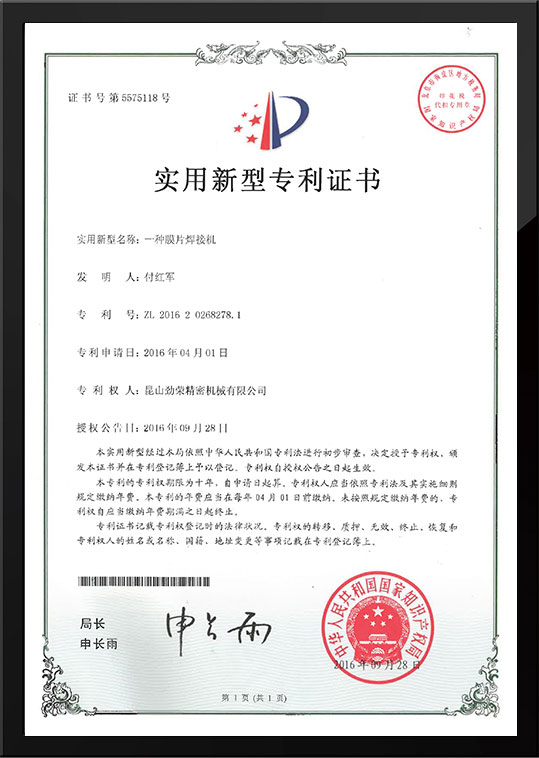
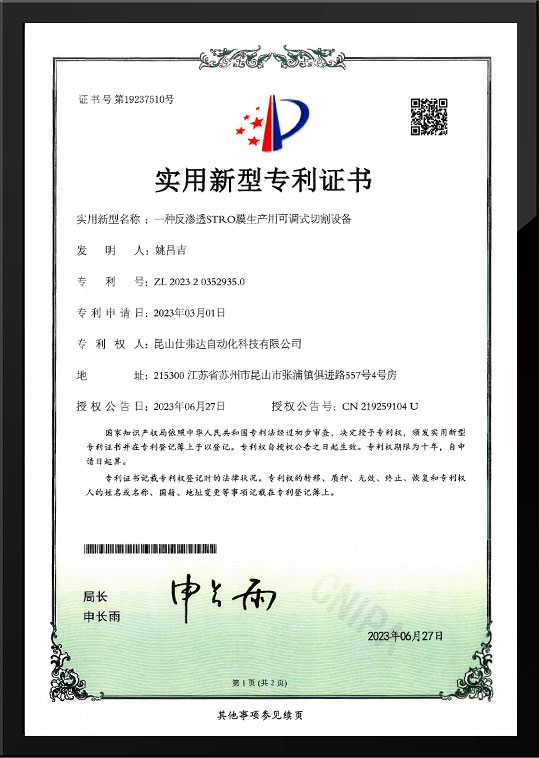
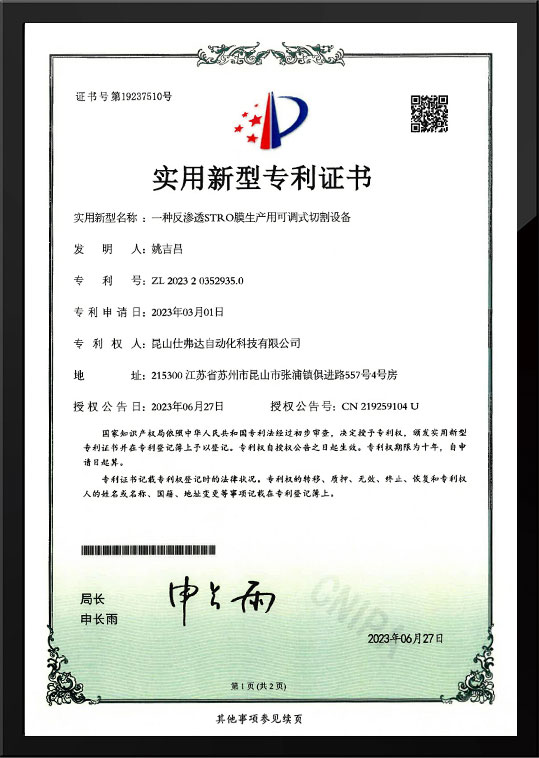
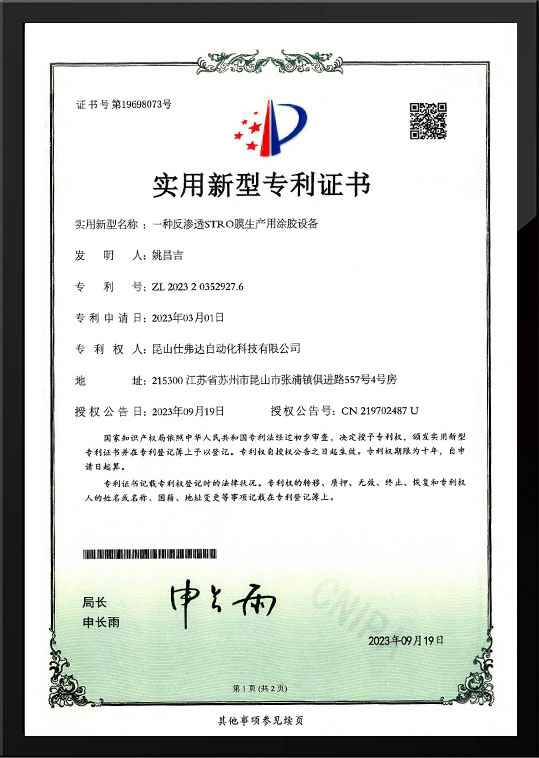
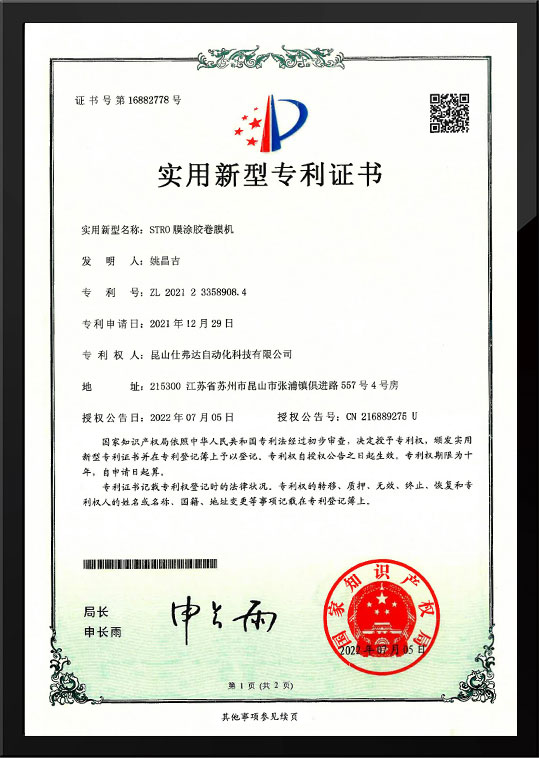
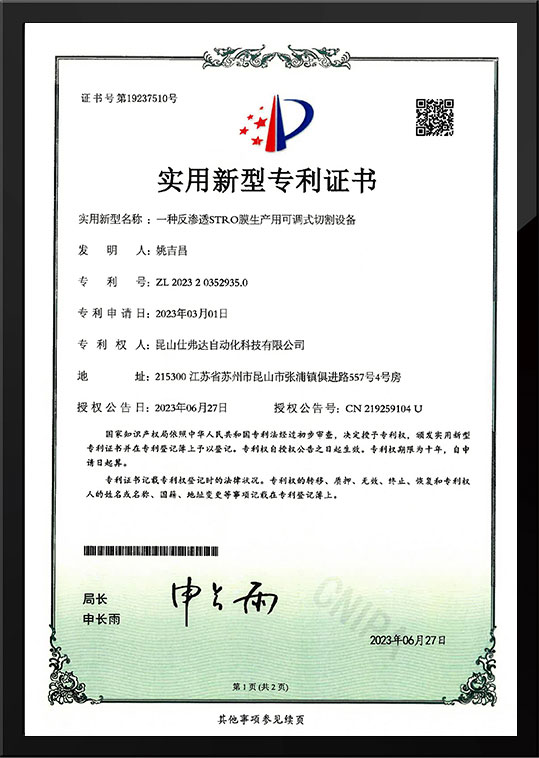
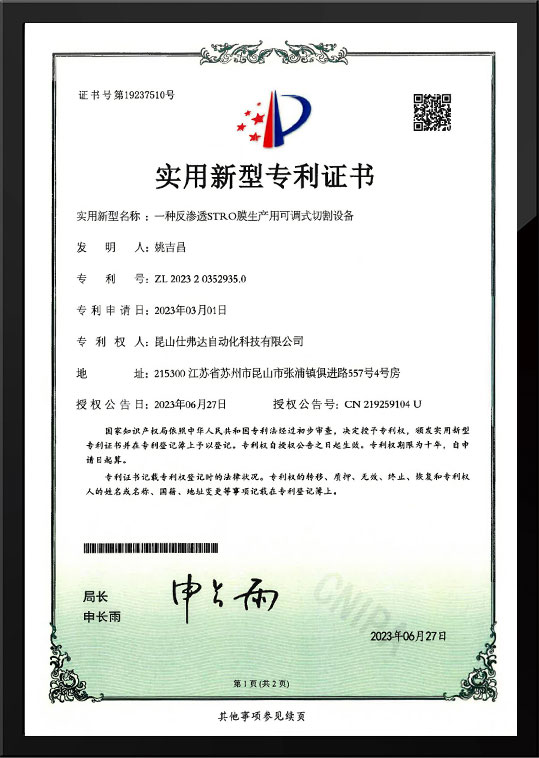
The company's main service industries: automotive, medical, environmental protection, cosmetics, electronics, etc. The core technical capabilities include automated welding equipment, post-processing of hollow board enclosures, post-processing equipment for automobile enclosures, and non-standard automation equipment for medical device products. Design and manufacturing, specializing in providing welding equipment for medical device products, making significant contributions to the industry. We have multiple patents on ultrafiltration, MBR flat membrane, DTRO membrane and other water treatment equipment.
We have established a complete customer service system and have a well-trained and skilled technical service team to serve customers, including R&D and pre-manufacturing technical solution customization, equipment installation and commissioning, technical training and 24-hour after-sales technology Support Services.
This equipment welds a thin sealing membrane (foil or plastic film) onto the inner face of a bottle cap or container cap, then verifies the weld's integrity before the finished cap moves on to packaging — a process widely used for pharmaceutical, medical liquid, and specialty container caps where the membrane provides tamper-evidence and an additional seal against leakage or contamination.
The welding station uses controlled heat and pressure (or ultrasonic energy, depending on the film and cap material) to bond the membrane evenly around the cap's inner rim, avoiding cold spots or overheating that could weaken the seal or discolor the material. Because membrane welds are safety- and quality-critical on pharmaceutical and medical packaging, the equipment pairs the welding station with an inline leak or seal-integrity test — commonly a pressure decay or vacuum-based check — so caps with an incomplete or weak weld are automatically identified and rejected before they reach the customer.
Automatic feeding, orientation and unloading keep the process running continuously with minimal manual handling, which both increases throughput compared with manual membrane placement and reduces the contamination risk that comes from handling caps by hand in a clean production environment. Recipe storage for different cap sizes and membrane materials allows the same machine to be reconfigured for multiple product lines, and logged inspection data gives manufacturers a traceable quality record for each production batch.
 Ready To Customise


