


 English
 عربى
عربى


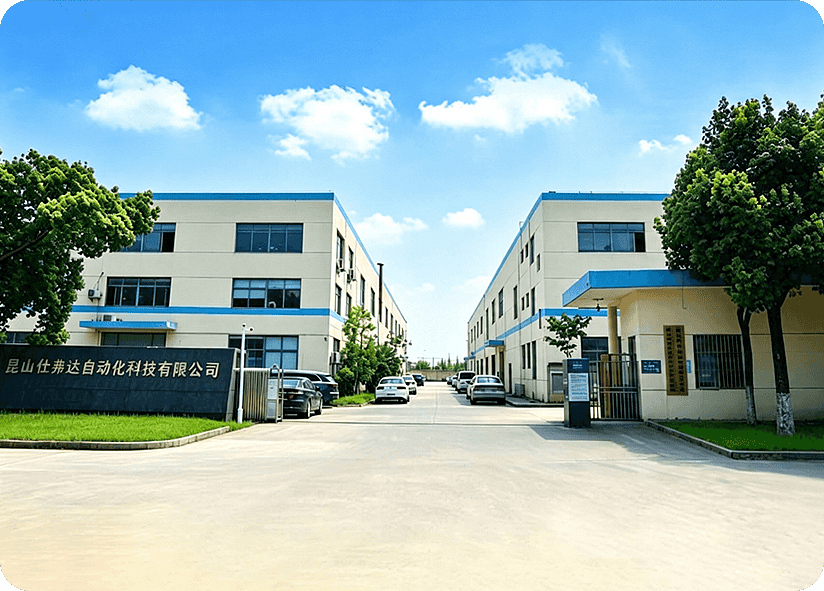
As China In‑line Continuous Atmospheric‑Pressure Plasma Treatment System for Large‑Area Workpieces Manufacturers and In‑line Continuous Atmospheric‑Pressure Plasma Treatment System for Large‑Area Workpieces Suppliers, Kunshan Shifuda Automation Technology Co., Ltd. (Anhui Shifuda Automation Technology Co., Ltd.) is a modern enterprise integrating R&D, manufacturing, sales, and technical services. It is a relatively competitive equipment supplier in the domestic automation field.
1.Professional R&D, production, sales, ultrasonic plastic welding machines, non-standard automation, hot melt machines, testing equipment, automated assembly, tooling fixtures, molds and other machinery and equipment.
2.Our company mainly targets the plastic welding automation industry. The processes are as follows (ultrasonic welding process, hot melt process, hot plate process, hot riveting process, high frequency welding process, high frequency welding process, eddy current process, etc.)
3.Our company also has a lot of R&D equipment in the water treatment industry, including DTRO diaphragm welding, MBR flat membrane welding, and tubular membrane welding.
4.Logistics industry, (post-processing equipment for hoarding boxes, hollow panels, post-processing equipment for turnover boxes)
5.Medical industry, (blood collection needles, cover pockets, negative pressure drainage bags, peripheral blood collection needles, infusion tubes, scalp needles, retention needles, heparin caps, etc., multiple automated assembly and welding equipment)
Our company has in-depth research in the automotive field, logistics field, medical field, toys, electronics and other fields.
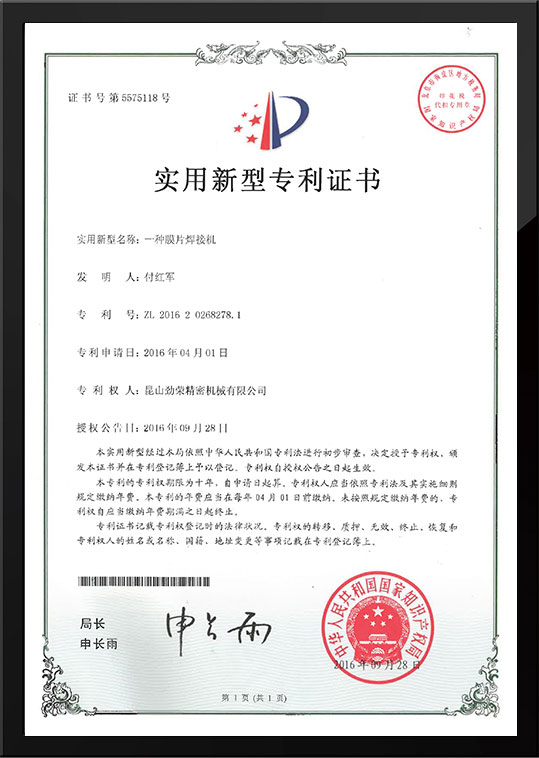
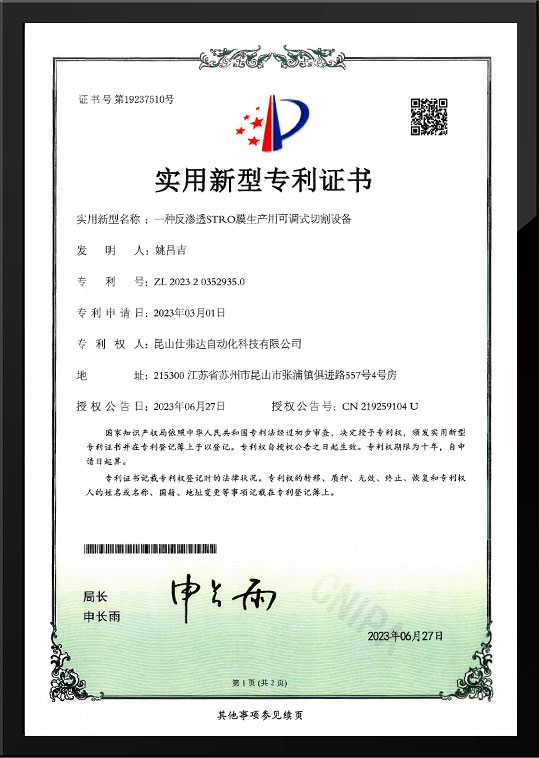
The company's main service industries: automotive, medical, environmental protection, cosmetics, electronics, etc. The core technical capabilities include automated welding equipment, post-processing of hollow board enclosures, post-processing equipment for automobile enclosures, and non-standard automation equipment for medical device products. Design and manufacturing, specializing in providing welding equipment for medical device products, making significant contributions to the industry. We have multiple patents on ultrafiltration, MBR flat membrane, DTRO membrane and other water treatment equipment.
We have established a complete customer service system and have a well-trained and skilled technical service team to serve customers, including R&D and pre-manufacturing technical solution customization, equipment installation and commissioning, technical training and 24-hour after-sales technology Support Services.
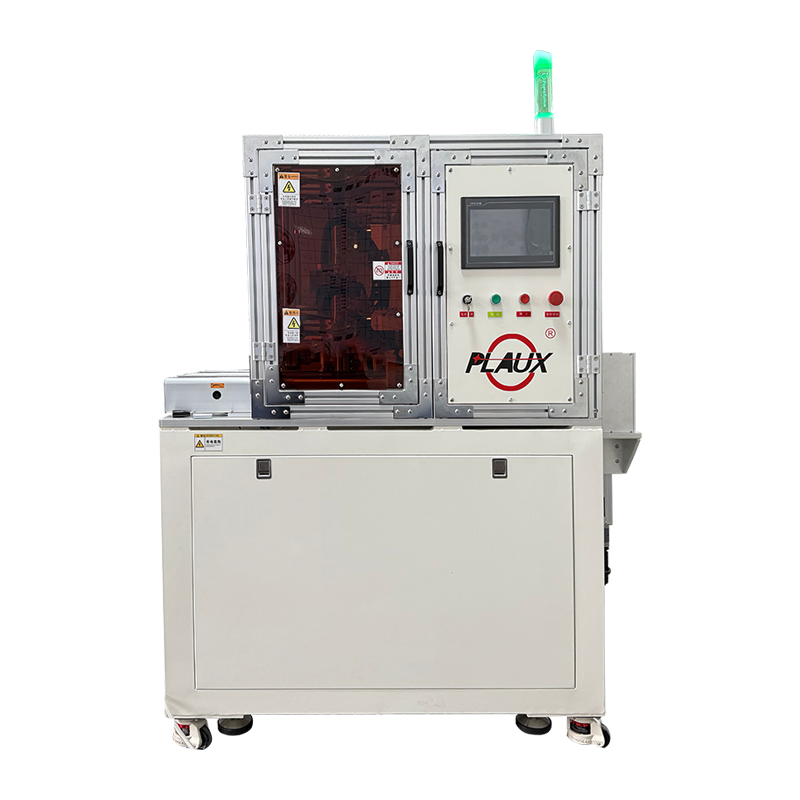
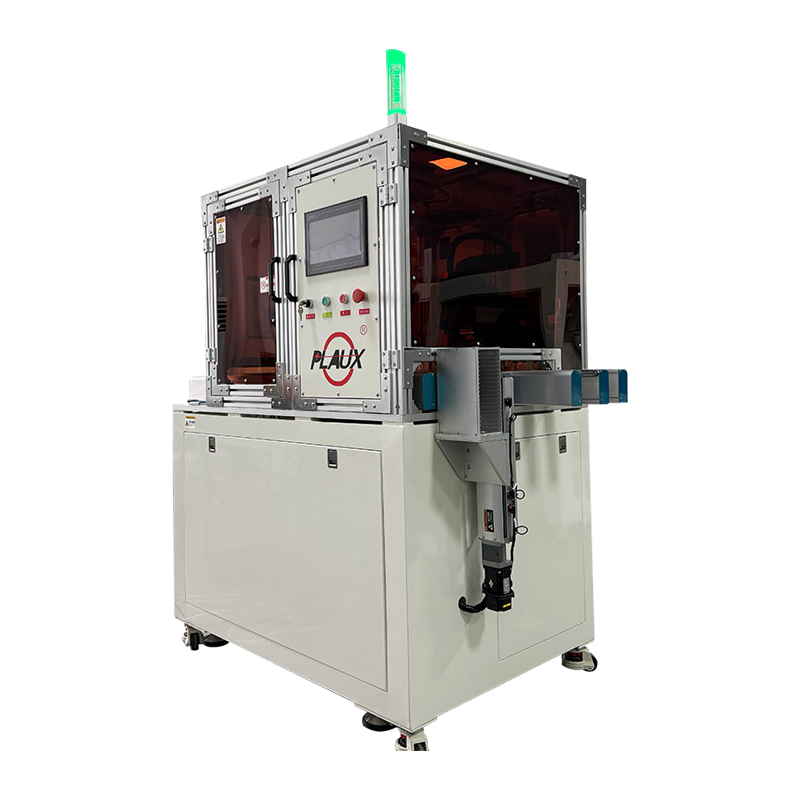
A single-nozzle plasma cleaner works fine for small-area, point-by-point treatment — but once a production line's takt time calls for covering a wider surface, multiple treatment points at once, and seamless handoff with loading/unloading equipment, a manual or single-gun station becomes the bottleneck. This automated multi-nozzle atmospheric plasma system integrates the plasma generation unit, a multi-axis motion module, and line-conveyor hardware into one machine. Nozzles are arranged into multiple jet groups matched to the workpiece layout, treating multiple points across a wide surface in a single pass — built specifically for batch, continuous production on an automated line.
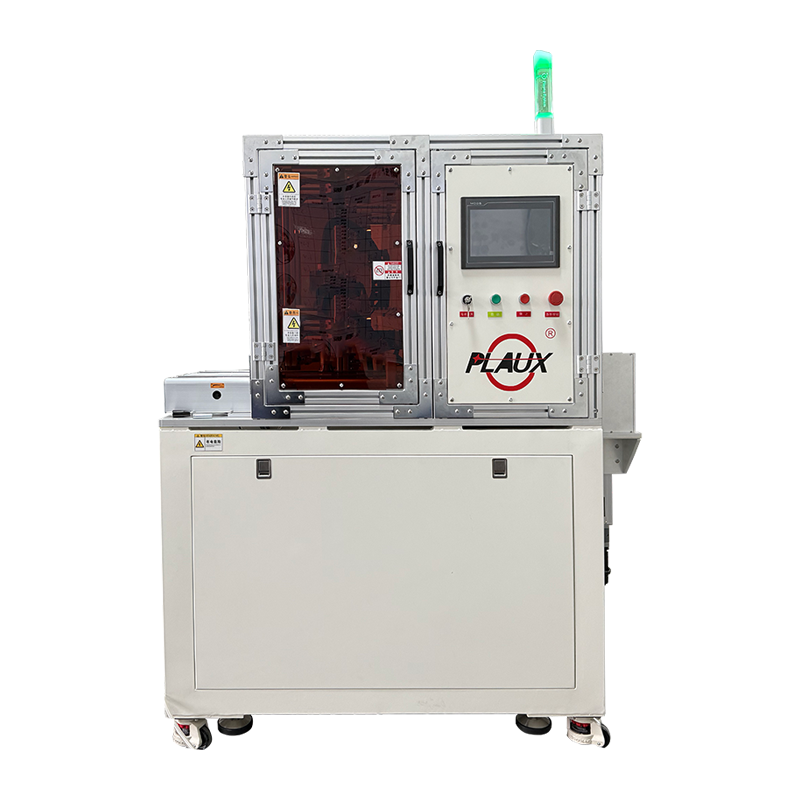
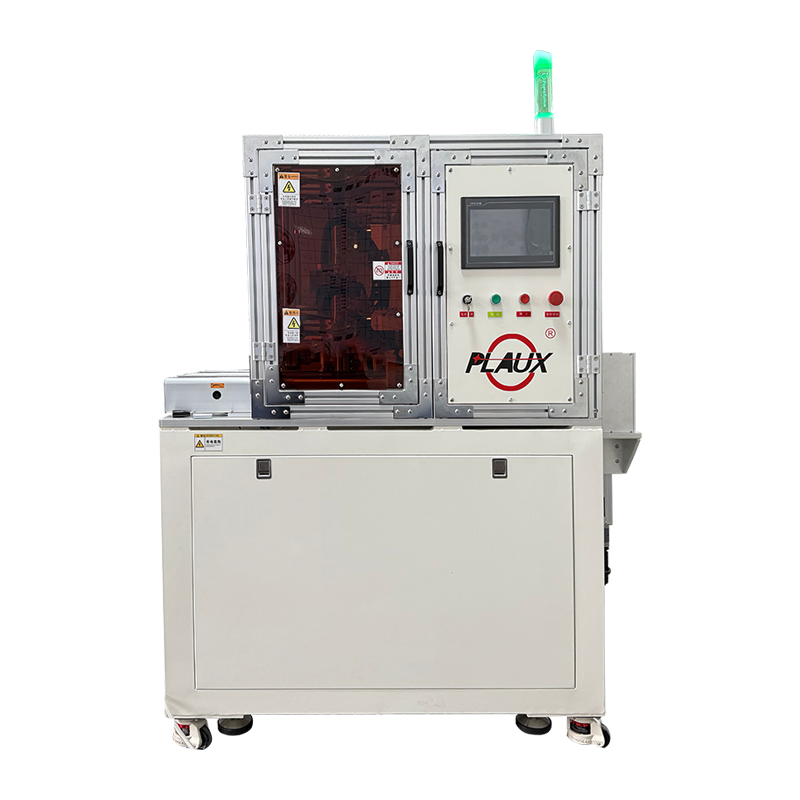
The machine body is a fully enclosed safety cabinet with a front-mounted touchscreen and signal-tower indicator light for at-a-glance run status. Inside, a multi-axis motion module drives the plasma nozzles back and forth along a pre-set path across the workpiece surface; the number of nozzle groups and travel range can be configured to match workpiece size and the number of treatment points, with a treatment width of up to 1200mm — noticeably wider coverage than a single-gun unit. The system connects directly to the line conveyor, with photoelectric safety sensors and emergency-stop buttons standard at both ends of the belt: material arrival automatically triggers the treatment cycle, so continuous loading, unloading, and plasma treatment run fully automated without operator intervention.
Output power is adjustable from 0 to 6KW at a frequency range of 20–60KHz, tunable to different materials and treatment requirements to balance treatment effect against line takt time. The air supply requirement — dry, oil-free compressed air above 0.106MPa — matches standard plasma equipment, keeping the installation bar low for a fast line rollout. The unit runs continuously and stably across a -10°C to +50°C ambient range, matching conditions in most industrial workshops.
The system fits batch production where treatment width, number of treatment points, and automated takt time are hard requirements — for example, pre-treatment ahead of bonding, dispensing, printing, or spray coating on automotive components, home-appliance panels, large-size electronic components, or photovoltaic modules. It can replace multiple single-gun stations or several operators outright and drops directly into an existing automated line.
 Ready To Customise


